
Facility profile Florida
Union Juvenile Residential Facility
Now known as Redwood Youth Academy
Also known as Redwood Youth Academy
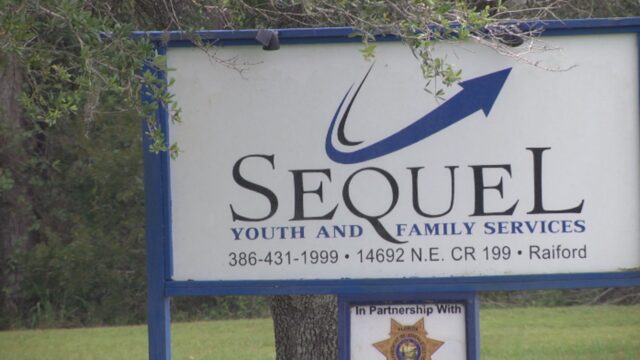
Union Juvenile Residential Facility is a juvenile justice RTC in Raiford, Florida, operated by Sequel TSI. It has operated since 2009.
News coverage
-
Child battery investigation closes Union Juvenile Residential Facility, officials say
The Florida Department of Juvenile Justice revoked its contract with Sequel TSI and initiated the removal of all youth from the Union Juvenile Residential Facility following a battery investigation and allegations of failing to report an incident. The facility, which housed male juvenile offenders, was temporarily closed while the Sheriff's Office investigated staff and inmate conduct.
Staff
Administration
-
Michael Smith
Executive Director (2010–2018)
Elsewhere in the industry
- Avalon Hills Eating Disorder Program HR Manager (2019)
- St John's Youth Academy St. John's Youth Academy Executive Director (2015)
- Eckerd Youth Alternatives Camp Director Camp Director
Notable staff
-
John Fletcher
Regional Director
Licensing and inspections
- Licensed as
- Redwood Youth Academy; Redwood Youth Academy Re-Review; union juvenile residential facility; redwood academy
- Program
- DJJ-redwood-youth-academy
- License category
- Moderate-risk Residential
- Executive director
- Jordon White
- Licensed capacity
- 24
- Licensing action
- Active
- Phone on file
- (352) 792-1596
- Licensed address
- 14692 NE County Road 199 Raiford , FL 32083-2519
12 inspection reports on file. Search all Florida reports
Every report, by date: 87 findings in 3 reports
-
Jun 30, 2026
QI Residential - FY25-26
29 findings
-
Limited compliance, DJJ review : Indicator 1.01 Initial Background Screening (Critical)
The program originally received a Limited Compliance rating for this indicator during the 2025-2026 annual compliance review, conducted August 5, 2025, through August 8, 2025. A review of the staff roster found twenty-five staff were hired during the annual compliance review period. Each staff received a clear and eligible background screening in the Clearinghouse system and their criminal history reports were reviewed prior to contact with youth or confidential youth records. None of the staff required an exemption, and none of the staff were applicable for a break in service. A review of the twenty-five staff screenings found, five have not completed a pre-employment assessment tool, three staff passed the assessment, and eighteen staff records indicated no passing pre-employment assessment score. Additionally, there was no documentation for any of the eighteen applicable staff showing additional training was conducted for the staff who did not pass the pre-employment assessment tool. All twenty- five staff were added to the program’s roster in Clearinghouse and had a signed contraband attestation form located in their personnel file. The program did not have any volunteers, mentors, contract staff, or interns who required a background screening. The Annual Affidavit of Compliance with Level 2 Screening Standards was submitted for the program on December 19, 2024. The program does not employ teachers who are paid by the school board. During the re-review the program ...
-
Failed compliance, DJJ review : Indicator 1.06 Pre-Service/Certification Requirements (Critical)
The program originally received a Failed Compliance rating for this indicator during the 2025- 2026 annual compliance review, conducted August 5, 2025, through August 8, 2025. The program has an approved pre-service training plan/calendar from the highest-ranking official at the location, the assistant secretary for Residential Services, and the director of Talent, Leadership, and Culture. Youth Care Workers (YCWs) are the only direct-care staff who are counted in the staff-to-youth ratio. All instructors are qualified to deliver training provided. Five staff training records were reviewed for completion of pre-service training. None of the five staff had completed the required 120 hours of training in the Department’s Learning Management System (SkillPro), with two missing forty-nine and a half hours, one missing fifty-one and a half hours, one missing twenty-two and a half hours, and one missing twenty-six hours of training. Each of the five staff reviewed did have the eight required essential skills trainings completed prior to any contact with youth. One staff record reviewed was applicable for requiring additional supervisor training. The record showed only one of the three required courses was completed. No staff were applicable for returning after a separation from the program or Department. Three of five staff records showed completion of specialized service training, which consisted of Mental Health Overlay Services/Substance Abuse Overlay Services one through four ...
-
Failed compliance, DJJ review : Indicator 2.01 Initial Contracts to Parent/Guardian and Court Notifications
The program originally received a Failed Compliance rating for this indicator during the 2025- 2026 annual compliance review, conducted August 5, 2025, through August 8, 2025. The program maintains a written policy and procedures ensuring initial contacts to parents or guardians and court notifications are completed. A review of five youth case management records revealed no documentation was maintained by the program documenting the parent or guardian was notified by telephone within twenty-four hours of admission. Only one of the five reviewed records confirmed the program notified the parent/guardian in writing within forty-eight hours of the youth’s admission, and the court, and juvenile probation officer (JPO) within five working days. Two of the five records did not contain any correspondence to the parent or guardian, court, or JPO, and two youth records contained undated notifications to the youth’s parent, judge, and JPO. During the re-review the program received a Satisfactory Compliance rating for this indicator. This indicator had a deficiency which was closed on January 26, 2026, with one youth entering the program on January 26, 2026, and was applicable for review. The one record had documentation verifying the youth’s parent/guardian was called within twenty-four hours of the youth’s admission. The one youth record documented in the chronological notes the contact with the parent/guardian was made on the date of admission. The one reviewed case management ...
-
Limited compliance, DJJ review : Indicator 2.04 Classifications Factors, Procedures, and Reassessment for Activities
The program originally received a Limited Compliance rating for this indicator during the 2025-2026 annual compliance review, conducted August 5, 2025, through August 8, 2025. The program maintains a written policy and procedures regarding the classification process for youth upon admission to the program and completion of reassessments as warranted. A review of the program’s classification form revealed the form included physical characteristics of the youth, age and maturity level, identified special needs, history of violence, gang affiliation, criminal behavior, sexual aggression or vulnerability to victimization, youth’s perception of vulnerability, youth’s history of potential or verified human trafficking, suicide risk, medical risk, escape risk, and security risk. The interviewed facility administrator confirmed the classification policy. Five youth case management records were reviewed. Three of the five records contained an admission classification form including all required elements outlined by the Department’s policy. Two of the five records did not contain a classification form. A review of the Department’s Juvenile Justice Information System (JJIS) alerts and the program’s internal alerts showed there were no issues affecting each youth’s classification. Each of the three records containing classification forms reflect youth were classified for the purposes of assignment to a living area, sleeping room, and youth group or staff advisor. Each of the three ...
-
Failed compliance, DJJ review : Indicator 2.06 Gang Identification: Prevention and Intervention Activities
The program originally received a Failed Compliance rating for this indicator during the 2025- 2026 annual compliance review, conducted August 5, 2025, through August 8, 2025. The program maintains a written policy and procedures regarding youth’s participation in gang prevention and/or intervention activities. The program’s policy addresses providing youth an opportunity, if they desire, to develop a plan to disaffiliate with a criminal street gang. At the time of the annual compliance review the program had one youth having gang involvement during the review period. There was no evidence or documentation to support prevention or intervention activities were utilized with the youth. The facility administrator (FA) stated in an interview youth identified as having gang affiliation will receive gang educational services and the Impact of Crime (IOC) curriculum. Each youth’s performance plan is required to include relevant goals relating to gang intervention strategies, and all staff will be required to have at least one training yearly on gang awareness. This training includes identification, signs and symbols, trends, possible gang activity in the program. During the re-review the program received a Satisfactory Compliance rating for this indicator. This indicator had a deficiency which wa closed on January 26, 2026. The one applicable youth with a gang identification was reviewed for prevention and intervention activities. The program has a policy and procedures to address ...
-
Failed compliance, DJJ review : Indicator 2.07 Residential Assessment for Youth (RAY) Assessments and Re-Assessments
The program originally received a Failed Compliance rating for this indicator during the 2025- 2026 annual compliance review, conducted August 5, 2025, through August 8, 2025. The program maintains a written policy and procedures requiring the Residential Assessment for Youth (RAY) to be completed for each youth within thirty days of admission. Five youth records were reviewed. Three of five youth records reflect youth RAY assessments were completed late, with one being four days late, one ten days late, and one thirty days late. Three of four applicable RAY reassessments were completed late, one was fifteen days late, one was thirty-six days late, and one was 121 days late. All other updates or reassessments were completed when deemed necessary by the intervention and treatment team to effectively manage the youth’s case. All reassessment documentation was maintained in the youth’s official case record. All RAY initial assessments and re-assessments were completed and maintained in the Department’s Juvenile Justice Information System. During the re-review the program received a Satisfactory Compliance rating for this indicator. This indicator had a deficiency which was closed on October 28, 2025. Only four of the five youth records reviewed were applicable for the initial Residential Assessment for Youth (RAY) due to the closure date of the program’s deficiency for this indicator. Two of the four applicable records found the RAY was completed within thirty days of the ...
-
Failed compliance, DJJ review : Indicator 2.08 Youth Needs Assessment Summary (YNAS)
The program originally received a Failed Compliance rating for this indicator during the 2025- 2026 annual compliance review, conducted August 5, 2025, through August 8, 2025. The program maintains a written policy and procedures regarding the completion of the Youth Needs Assessment Summary (YNAS). Five youth case management records were reviewed. In four of the five youth records, the YNAS was completed between two and thirty-two days late. One of the five youth YNAS was completed within thirty days of admission. Each YNAS was documented in the Department’s Juvenile Justice Information System (JJIS). In each of the five youth case management records, the YNAS documented the youth’s top three criminogenic needs. During the re-review the program received a Limited Compliance rating for this indicator. This indicator had a deficiency which was closed on October 28, 2025. Only four of the five youth records reviewed were applicable for the Youth Needs Assessment Summary (YNAS) due to the closure date of the program’s deficiency for this indicator. Two of the four applicable records documented the YNAS was completed within thirty-days of each youth’s admission. One YNAS was one-day late and one YNAS was seventy-three days late. All four case management records verified each YNAS was completed in the Department’s Juvenile Justice Information System. One record did not have the YNAS included in the youth’s case management file. In each of the four records, each YNAS documented ...
-
Failed compliance, DJJ review : Indicator 2.09 Performance Plan Development, Goals, and Transmittal (Critical)
The program originally received a Failed Compliance rating for this indicator during the 2025- 2026 annual compliance review, conducted August 5, 2025, through August 8, 2025. The program maintains a written policy and procedures outlining performance plan development, goals, and transmittal. Five youth case management records were reviewed for individual performance plans (IPP) and four plans were not completed within the required thirty days of admission. These IPPs were developed between eleven and 130 days late. Each IPP was developed after the initial Residential Assessment for Youth (RAY) and Youth Needs Assessment Summary (YNAS) were completed. Two of five records contained signatures for intervention and treatment team leader, the youth, an administrative representative, treatment staff, and education staff. The three remaining records did not contain signed performance plans. All five reviewed performance plans had individualized goals and based upon the prioritized needs reflecting the risk and protective factors identified during the initial assessment process. Each record contained delinquency interventions on the IPP. Four of five records addressed the youth’s top three criminogenic needs. One youth’s IPP was missing one of the top three criminogenic needs. Target court-ordered sanctions which could be reasonably initiated/completed while in the program, transition activities targeted for the last sixty days of the youth’s anticipated stay, youth’s ...
-
Failed compliance, DJJ review : Indicator 2.13 Treatment Team Members and Meetings (Formal and Informal Reviews)
The program originally received a Failed Compliance rating for this indicator during the 2025- 2026 annual compliance review, conducted August 5, 2025, through August 8, 2025. The program maintains a written policy and procedures regarding treatment team meetings. Five youth case management records were reviewed. One of the five records contained documentation for treatment teams being completed every thirty days. This record was missing attendee signatures for three of the five monthly treatment team meetings. Three of the five youth records were missing documentation for one or more formal treatment teams. One of the five records did not contain any documents reflecting any treatment teams were conducted and none of the five records contained documentation for any informal treatment team meetings. Three of five records did not contain documentation reflecting the juvenile probation officer, parent/guardian, and other pertinent parties were invited to participate in treatment team meetings. There was no observation of a treatment team meeting, as there was no treatment team scheduled for the annual compliance review week. Five youth were interviewed, and each confirmed program staff talk about their performance to include progress on performance plan goals, positive and negative behavior, and treatment progress. The five interviewed youth reported they are able to explain their progress, level of change, and future goals by completing a document submitted during treatment ...
-
Failed compliance, DJJ review : Indicator 2.15 Exit Portfolio
The program originally received a Failed Compliance rating for this indicator during the 2025- 2026 annual compliance review, conducted August 5, 2025, through August 8, 2025. The program maintains a written policy and procedures regarding the requirements for each youth’s exit portfolio. A review of three closed youth case management records revealed in one of the three records the exit portfolio was discussed and initiated for the youth during the transition conference. This one youth’s exit portfolio was discussed during the exit conference and documentation indicated portions of the exit portfolio were completed; however, there was no evidence the portfolio was given to the youth upon release. The other two records did not contain any of the required documentation pertaining to the exit portfolio. None of the three closed case management records contained a state-issued identification card or social security card; however, there was a note in the one record containing an exit portfolio explaining why the identification was not included. The one youth’s exit portfolio contained the youth’s transition plan, a calendar with all dates, times, and locations of upcoming community appointments, educational and vocational certifications earned in the program, and a resume. There was no sample employment application. The youth’s case management record reflected the program staff forwarded the exit portfolio information to the juvenile probation officer. During the re-review the ...
-
Failed compliance, DJJ review : Indicator 2.16 Exit Conference
The program originally received a Failed Compliance rating for this indicator during the 2025- 2026 annual compliance review, conducted August 5, 2025, through August 8, 2025. The program maintains a written policy and procedures regarding completion of an exit conference. Three closed case management records were reviewed. None of the three records contained documentation of an exit conference. The evidence exit conferences were conducted was obtained through the Department’s Juvenile Justice Information System (JJIS) in the juvenile probation officer’s (JPO) case notes. According to the JPO’s notes, one of the exit conferences was held four days earlier than required. Some information was available in these notes, but nothing was maintained by the program. The Community Re-Entry Team (CRT) meetings for all three closed records were conducted not in conjunction with the exit conference. During the re-review the program received a Failed Compliance rating for this indicator. This indicator had a deficiency which was closed on February 27, 2026. No closed record was provided for review of this indicator, despite one youth completing the program on March 10, 2026.
-
Limited compliance, DJJ review : Indicator 2.19 Contract Specific Career and Technical Education Services (Residential Contract
Provider) The program originally received a Limited Compliance rating for this indicator during the 2025-2026 annual compliance review, conducted August 5, 2025, through August 8, 2025. The program’s contract requires the implementation of all Career and Technical Education (CTE) services, formerly referred to as pre-vocational and vocational services. CTE instruction is designed to develop the interests, aptitudes, and skills of participating youth while building upon their existing strengths in a manner supportive of their individualized employability goals, promoting workforce readiness, and providing an occupational advantage within the youth’s community. A review of documentation confirmed cardiopulmonary resuscitation (CPR) was received and verified for youth participants. No documentation was provided for Florida Ready to Work or Occupational Safety and Health Association (OSHA) 10 credentials. During the re-review the program received a Non-Applicable Compliance rating for this indicator as there were not enough applicable records for a sample size for the re-review. The career and technical education (CTE) services required are Florida Ready to Work Soft Skills, Occupational Safety and Health Administration (OSHA)10, first-aid/cardiopulmonary resuscitation (CPR) and initiating course completion leading to certification from the Master Credential List (MCL) within the first ninety days of admission. The program had a deficiency for this indicator which was closed on ...
-
Limited compliance, DJJ review : Indicator 3.03 Non-Licensed Mental Health and Substance Abuse Clinical Staff
The program originally received a Limited Compliance rating for this indicator during the 2025-2026 annual compliance review, conducted August 5, 2025, through August 8, 2025. The program currently has one masters-level therapist who is a non-licensed clinical staff and one vacancy. At the time of the annual compliance review, the program had an open deficiency, put in place by the Department’s Office of Health Services (OHS) which was the result of a supplemental monitoring visit to the program by OHS July 22, 2025. A minor deficiency was assigned at the time as there was no documentation of the program’s Designated Mental Health Clinical Authority (DMHCA) providing weekly supervision to the non-licensed clinical staff for at least one hour weekly as required. Verification for this deficiency will be facilitated by the Department and OHS at a future date. During the re-review the program received a Satisfactory Compliance rating for this indicator. The clinical supervisor assures non-licensed staff are performing services they are qualified to provide based on education, training, and experience. A review of clinical supervisions logs confirmed each non-licensed metal health clinical staff working under the direct supervision of the DMHCA received a minimum of one hour a week of on-site, face-to-face direct supervision apart from one staff member. Missed supervision hours for the one staff occurred beginning October 8, 2025, to November 3, 2025. According to program ...
-
Failed compliance, DJJ review : Indicator 3.05 Mental Health and Substance Abuse Assessment/Evaluation
The program originally received a Failed Compliance rating for this indicator during the 2025- 2026 annual compliance review, conducted August 5, 2025, through August 8, 2025. Five youth records were reviewed for mental health and substance abuse assessment and evaluation. Four of five youth records contained evidence of a completed Massachusetts Assessment Screening for Youth, Second Version (MAYSI-2). One youth did not have a MAYSI-2 completed. All five youth had an Assessment for Suicide Risk (ASR), Generalized Anxiety and Depression (GAD) screening, and Suicide Risk Screening Instrument (SRSI) completed. One youth had a new comprehensive evaluation completed. The assessment was completed by a licensed staff. One youth did not require completion of a comprehensive evaluation. The remaining three youth required a comprehensive evaluation based on initial assessments completed at intake; however, records provided revealed a comprehensive evaluation was not done as required. All youth were outside of thirty days from their date of admission to the program. All five youth records contained evidence of consent signed using the Department’s Youth Consent for Substance Abuse Treatment form. For the one completed comprehensive evaluation, there was evidence all required information was included in the assessment. The designated mental health clinician authority (DMCHA) was interviewed and stated the comprehensive assessment is completed after twenty-one days of admission to ...
-
Failed compliance, DJJ review : Indicator 3.06 Mental Health and Substance Abuse Treatment (Critical)
The program originally received a Failed Compliance rating for this indicator during the 2025- 2026 annual compliance review, conducted August 5, 2025, through August 8, 2025. All five reviewed youth records contained an Initial Mental Health and Substance Abuse Treatment Plan completed on the date of the youths’ admission to the program. The Initial Mental Health Treatment Plans were documented on the Department’s Initial Mental Health/Substance Abuse Treatment Plan form. The one applicable youth who was admitted with psychotropic medications was not noted on the initial plan. There was evidence the initial treatment plans were signed by a licensed mental health clinical staff completing the form. Four of five plans were noted as signed by the youth. One plan did not have the youth signature. Four of five plans were missing a signature from the parent/guardian. For the one remaining plan, there was a note indicating the plan was mailed to the parent/guardian. None of the plans noted any further signatures from applicable treatment team members. Individualized Treatment Plans (ITPs) were completed using the Department’s Individualized Mental Health/Substance Abuse Treatment Plan form. The five youth records reviewed found evidence of four youth had a completed ITP. One youth did not have a plan completed as required. Applicable reviewed ITPs included documentation of psychiatric services as required. ITPs were missing signatures from the parent/guardian, juvenile probation ...
-
Failed compliance, DJJ review : Indicator 3.07 Treatment and Discharge Planning (Critical)
The program originally received a Failed Compliance rating for this indicator during the 2025- 2026 annual compliance review, conducted August 5, 2025, through August 8, 2025. Five youth records were reviewed. Four of five records did not contain documentation a multidisciplinary treatment team was assigned to the youth. Signatures from treatment team members were found to be inconsistent in all five records. All five youth had an active Authority for Evaluation and Treatment (AET) in their medical record as required. All five youth records had evidence of a signed Substance Abuse Treatment Consent form using the Department’s form. Treatment notes were documented on the Department’s Counseling/Therapy Progress Notes form for all five records. At the time of this annual compliance review, services and interventions for mental health and substance treatment was under an open Outcome Based Corrective Action Plan (OBCAP) as initially identified on January 29, 2025. The Department conducted verifications for this open deficiency on May 19, 2025, and June 16, 2025, with the most recent follow-up completed on July 22, 2025, by the Office of Health Services (OHS), at which time it was determined by OHS the deficiency remain open, and another verification be completed at a future date. During the re-review the program received a Satisfactory Compliance rating for this indicator. Due to the program being assigned a deficiency for this indicator requiring an Outcome Based Corrective ...
-
Limited compliance, DJJ review : Indicator 3.08 Specialized Treatment Services (Critical)
The program originally received a Limited Compliance rating for this indicator during the 2025-2026 annual compliance review, conducted August 5, 2025, through August 8, 2025. According to the provider’s contractual agreement, the program provides Mental Health Overlay Services (MHOS) and Substance Abuse Overlay Services (SAOS) for youth. Primary services include Impact of Crime (IOC), Aggression Replacement Therapy (ART), and Cannabis Youth Treatment (CYT). Five interviewed staff reported they do not facilitate any mental health or substance abuse groups. The program has a licensed mental health counselor who provides on-site services. In addition, the program has an agreement with a licensed psychiatrist who provided services on-site at least once every two weeks. The facility administrator was interviewed and stated the program provides specialized treatment services in accordance with Florida Statute and Administrative Rule. All program youth are prescreened and placed by the Department of Juvenile Justice based upon identified treatment needs. The focus of treatment services includes targeting and reducing/alleviating the youth’s risk and needs allowing youth to improve functioning and reintegrate within the community. The program has therapists who provide individual, group, and family counseling. A psychiatrist is onsite at least twice a month to conduct evaluations, medication management, and provide information for the treatment teams. The program utilizes ...
-
Limited compliance, DJJ review : Indicator 3.10 Suicide Prevention Services (Critical)
The program originally received a Limited Compliance rating for this indicator during the 2025-2026 annual compliance review, conducted August 5, 2025, through August 8, 2025. There is currently an open deficiency generated by the Department’s Office of Health Services (OHS) resulting from a monitoring visit on July 22, 2025. A major deficiency was assigned for youth not receiving an Assessment of Suicide Risk (ASR) within twenty-four hours of admission to the program, ASR’s not being signed off appropriately, youth who were transferred on constant supervision did not have Precautionary Observation Logs in their records, and suicide risk alerts not being closed within the Department’s Juvenile Justice Information System (JJIS) when a youth is stepped down from Precautionary Observation supervision status. Verification for this open deficiency will be reviewed by OHS at a later date. During the re-review the program received a Satisfactory Compliance rating for this indicator. Five youth mental health and substance abuse records were reviewed for suicide prevention services. Three of five youth were applicable for being placed on precautionary observation (PO). Documentation within each of the three applicable records indicated when the youth was determined to be at risk. One youth was placed on PO as a result of admission screening, one as a result of self-reporting, and the remaining youth was placed on PO as a result of staff observation. Each of the three records ...
-
Failed compliance, DJJ review : Indicator 3.18 Safety Planning Process for Youth
The program originally received a Failed Compliance rating for this indicator during the 2025- 2026 annual compliance review, conducted August 5, 2025, through August 8, 2025. The program maintains youth safety plans in a binder located in the master control room. According to program administration, all staff have access to the master control area, and ability to review these plans. Five youth safety plans were reviewed. Each was developed on the date of the youth admission to the program. Three of five plans included evidence the plans were jointly prepared with the youth as well as the parent/guardian or family member. Two of five were not marked, indicating the parent/guardian was contacted to assist in plan development. Four of the five safety plans reviewed had documentation they incorporated recommendations from previous or current clinical assessments or screening instruments. For one plan, this section was not checked off. None of the five plans reviewed were documented to have been consistently reviewed and updated as necessary every thirty days. One plan was missing five thirty-day revisions, three were missing three thirty-day revisions, and one was missing two thirty-day revisions. All five reviewed safety plans included documentation of youth warning signs, crisis recognition, intervention strategies, and a debriefing process. Four of five notated youth baseline behaviors. The remaining one plan had this area for baseline behaviors left blank. All five ...
-
Limited compliance, DJJ review : Indicator 5.02 Comprehensive and Consistent Implementation of the Behavior Management
System and Staff Training The program originally received a Limited Compliance rating for this indicator during the 2025-2026 annual compliance review, conducted August 5, 2025, through August 8, 2025. The program has written policy and procedures addressing the program’s behavior management system (BMS). A review of the program’s BMS revealed appropriate parties were involved in the development and implementation, except for the education staff. An agreement between the program and school related to BMS was found posted in classrooms; however, according to education staff none of them had ever received any BMS training. A request for documentation of training for education staff was made; however, the program never provided any completed training sign-in rosters. Later the program accepted and agreed to set a date to train education staff. A review of five youth case management records confirmed youth orientation included the program’s BMS practices. A review of position descriptions for staff whose job functions includes implementation of the program’s BMS was conducted. None of the position descriptions included specific BMS implementation. The program contended job descriptions contain a bullet point which staff will complete other job duties as assigned, which should be sufficient for BMS Implementation. A review of five pre-service training records reflected staff have completed training in the program’s BMS. Observations made throughout the week revealed no specific ...
-
Limited compliance, DJJ review : Indicator 5.04 Ten-Minute Checks (Critical)
The program originally received a Limited Compliance rating for this indicator during the 2025-2026 annual compliance review, conducted August 5, 2025, through August 8, 2025. The program has written policy and procedures addressing the practice for ten-minute checks. The program, according to maintenance and master control, have thirty-two cameras. One camera was found to be in-operable; the program has an active work order to address repairing the camera. The program’s video recording capabilities is for a minimum of thirty days. Observations of ten-minute checks were conducted to reflect if checks were conducted in the required frequency and in real time, and to ensure the checks are met with fidelity. Nine separate checks were completed. Three of the nine checks had a variance of staff completing timely. The three checks were approximately twenty-six, twenty-six-, and twenty-three-minutes lapse between required ten-minute checks. The corresponding check sheets were unable to be verified, as the check sheets were not present. The program does complete ten-minute checks at a minimum of approximately eight minutes. Staff were seen conducting room checks, stopping at doors, using flashlights, and recording findings in an eight-minute period. A sample of logs to verify ten-minute checks throughout the annual compliance review period were reviewed. The samples included one thirty-minute increment from each month while youth were in their rooms; no issues were discovered. Five ...
-
Limited compliance, DJJ review : Indicator 5.07 Key Control (Critical)
The program originally received a Limited Compliance rating for this indicator during the 2025-2026 annual compliance review, conducted August 5, 2025, through August 8, 2025. The program has written policy and procedures addressing key control. The program will maintain control of keys utilized within the program. The purpose of key control is to keep the program secure thus preventing escapes and providing continued protection to the community. Duty keys are issued to staff will provide limited and necessary access around the program. It is prohibited for youth to possess keys. It is the responsibility of the program administrator to approve all key assignments, maintaining key inventories and tracking. A key ring reference file will be maintained, which includes the master key inventory and other documentation relating to key control. Each key shall be accounted for through this inventory process. The key ring reference file shall identify which keys are on each individual key ring. All changes in lock locations, key locations, and key duplications are authorized by the program administrator and documented in the key ring reference file. Permanent issue keys must be approved and issued by the program administrator. Inventories and documentation related to permanent issue keys, restricted keys, and active keys will be maintained through the master key inventory in addition to the key ring reference file. All keys are to be maintained on secure or braised key rings. The ...
-
Limited compliance, DJJ review : Indicator 5.08 Contraband Procedures
The program originally received a Limited Compliance rating for this indicator during the 2025-2026 annual compliance review, conducted August 5, 2025, through August 8, 2025. The program is currently under an outcome base correction action plan (OBCAP) for contraband; therefore, this indicator will be preliminary rated “limited”. A deficiency was identified March 18, 2025, which addressed visitor log containing a contraband attestation statement. Along with video of staff and visitor searches were reviewed to include twelve staff and visitors. Of the twelve only three were searched completely to include pat down, wand and bags searched. Five staff did not have their bags searched, one staff did not receive a pat down, and three staff were not within camera view to determine if a search was completed. The facility administrator (FA) advised he would put in corrective action to include a rug to serve as a location for optimal camera view for searches and a retraining for all staff on Wednesday, March 19, 2025, for searches. The FA advised he would provide the documentation for the training and agenda. Documentation was not received as requested. The deficiency remains open during the annual compliance review. During the re-review the program received a Satisfactory Compliance rating for this indicator. The program has a written policy, and procedures addressing and clearly identifying any illegal and or prohibited items which is considered contraband. The programs have a ...
-
Limited compliance, DJJ review : Indicator 5.09 Searches and Full Body Visual Searches
The program originally received a Limited Compliance rating for this indicator during the 2025-2026 annual compliance review, conducted August 5, 2025, through August 8, 2025. The program has written policy and procedures addressing search practices. Search practices observed were not in accordance with programs written procedures and right interactions training manual. Areas missed during searches of youth included the staff not checking facial areas, mouth, ears or hair. Staff were not consistent with instructing the youth to empty all pockets and remove shoes. Staff did not conduct the searches from behind the youth; staff were observed having the youth turn and face the staff to complete part of the search. Staff were not consistent with using the same pattern/technique every time. Staff did not frisk at all in the crotch area No youth searches were observed before and after transports for no transports were conducted during the on-site review. No youth searches were observed during admission for no admissions were completed during the on-site review. No youth searches were observed before and after visitation as no visitations were during the on-site review. No youth searches were observed upon return from off-campus activities, there were no off-campus activities during the on-site review. No youth searches were observed and following access or ability to obtain tools or other equipment; no youth had access to tools during the on-site review. A video review of five ...
-
Limited compliance, DJJ review : Indicator 5.13 Tool Inventory and Management
The program originally received a Limited Compliance rating for this indicator during the 2025-2026 annual compliance review, conducted August 5, 2025, through August 8, 2025. The program has written policy and procedures addressing issuance, inventory, and control of equipment and tools. The procedures for missing or lost tools, should any tool become missing are the facility administrator (FA) and shift supervisor will be notified immediately. The incident is to be logged in the logbook. All youth movement shall be halted until a thorough search is completed or the tool is found. The FA or shift supervisor shall ensure a thorough facility search takes place as soon as an item is reported missing. The missing tool will be documented in the facility logbook and on an incident report before the end of the shift. The incident report will be circulated to all department heads for review and notification. Results of the search shall also be documented in the logbook and discussed in shift briefings for the purpose of alerting incoming staff to security concerns, identifying the missing item for continued search, or indicating an item was missing and then located. In the event a tool is missing, a red tag will be placed on the shadow board in the tool’s spot until the missing tool is found or replaced. Machetes, bowie knives, and other long blades are prohibited. A review of tool inventory for the maintenance area and kitchen was conducted. There was no inventory or daily ...
-
Limited compliance, DJJ review : Indicator 5.15 Outside Contractors
The program originally received a Limited Compliance rating for this indicator during the 2025-2026 annual compliance review, conducted August 5, 2025, through August 8, 2025. The program has written policy and procedures addressing outside contractors. The program will maintain strict control of secure storage and the purchase of tools and sensitive items. All tools are to be considered as possible weapons as they can inflict great bodily harm, no matter what class they are assigned to. All tools and sensitive items will be strictly under the control of the physical plant manager. It is the responsibility of the physical plant manager and program administrator to monitor use of all tools and equipment in the program. All violations or misuse of tools and equipment are reported to administration and corrective action is initiated. Any tools brought on-site from the outside, the program shall closely monitor the use of tools when brought into the facility or onto facility grounds. When a repair person or other worker comes onsite from the outside community with the tools of their trade, program staff should alert them to the potential danger of tools used on grounds and request them to limit the tools used to only those necessary to complete the job. In addition, tools are checked when they arrive and leave, kept close track of while working on-site, and immediately notify program staff if any tool missing. The outside worker or repairman will sign an acknowledgment form ...
-
Limited compliance, DJJ review : Indicator 5.16 Fire, Safety, and Evacuation Drills
The program originally received a Limited Compliance rating for this indicator during the 2025-2026 annual compliance review, conducted August 5, 2025, through August 8, 2025. A review of the past nine months found the program had a total of nine completed Continuity of Operations Plan (COOP) drills. The program was missing a total of nine COOP drills between the two operating shifts. Drills were not conducted monthly for each of the programs two shifts. The program did not conduct varying COOP drills (with the exception of one drill completed in July which was an escape drill); all other documented drills were fire drills only. A review of documentation for all of the drills did not consistently contain findings and recommendations. Fire evacuation routes and egress plans were observed posted throughout the program. A review of documentation reflected the fire extinguishers were inspected during the program’s start-up and an annual inspection is not applicable at the time of the of annual compliance review. The program has thirteen fire extinguishers in the program according to maintenance staff. Five staff were interviewed, and each identified having participated at a minimum a fire drill in the past twelve months. Five youth were interviewed, and each confirmed they have been instructed on what to do in case of a fire. The facility administrator was interviewed and elaborated on how often and type of drills are conducted at the program. The program conducts fire, safety ...
-
Limited compliance, DJJ review : Indicator 5.18 Storage, Inventory, and Disposal of Flammable, Poisonous, and Toxic Items and
Materials The program originally received a Limited Compliance rating for this indicator during the 2025-2026 annual compliance review, conducted August 5, 2025, through August 8, 2025. The program has written policy and procedures addressing the storage and inventory of flammable, poisonous, and toxic items and materials. Observation of flammable, poisonous, and toxic items (e.g. bleach, gas, cleaners, pesticides, antifreeze) were found to be secured at all times and inaccessible to youth. The program does not appear to have a list of positions, titles, or functions authorized to handle flammable, toxic, caustic and poisonous items. The program does not appear to have a list of positions, titles, or functions authorized to dispose of flammable, toxic, caustic and poisonous items. A review of ten separate chemicals were observed. One of the ten were not on any inventory. Three of ten did not have the correct count documented on the inventory. Five of ten chemicals observed did not have a Safety Data Sheet (SDS) present. The programs disposal written procedures appear to be in accordance with Occupational Safety and Health Administration (OSHA) Standard 29. The program has not had to dispose of any hazardous waste according to maintenance and kitchen staff. The program has disposed of dirty mop water and or unused beverages (kitchen waste) down drains located in the kitchen area. The program has not encountered any chemical spills requiring any cleanup. The facility ...
-
Limited compliance, DJJ review : Indicator 5.21 Visitation and Communication
The program originally received a Limited Compliance rating for this indicator during the 2025-2026 annual compliance review, conducted August 5, 2025, through August 8, 2025. The program has written policy and procedures addressing visitation, youth correspondence (mail), and use of telephone. Visitation postings were observed in each of the youth dormitories. A review of visitation logs found the program appears to provide on-going visitation access to youth. The program had some documentation to support youth telephone usage, though were missing four months of telephone logs. The program had some documentation to support youth mail usage, though missing two months of logs. In both cases (telephone/mail), the program documentation did not support services being provided as there was missing months/times for youth access. The program does allow for alternative visitation with parents/guardian if necessary. There were no instances of a youth with a history of human trafficking. There was no incoming/outgoing mail to be observed for search practices. Five youth were interviewed, and each agreed they can call a parent/guardian or send a letter. The facility administrator was interviewed and confirmed the program utilizes a language transition service for all youth who presents a need and English is not their primary language. This service is provided in all areas of treatment, including individual and family therapy and formal and informal treatment team meetings. During the ...
-
- Jun 30, 2026 SPEP - FY25-26
- Jun 30, 2026 SPEP - FY25-26
- Jun 30, 2026 SPEP - FY25-26
-
Jun 30, 2026
QI Residential - FY25-26 - 29 findings
29 findings
-
Limited compliance, DJJ review : Indicator 1.01 Initial Background Screening (Critical)
Background screening is required for all Department staff and volunteers, as well as all contracted providers and grant recipient staff, volunteers, mentors, and interns with access to youth and confidential youth records. (Note: The term contracted providers, in the remaining portions of this document, also include grant recipients.) A contracted provider may provide training and orientation to a potential staff before the screening process is completed. However, these individuals may not have contact with youth or confidential youth records until the screening is completed, the determination is “eligible,” a copy of the criminal history report has been reviewed, and the staff demonstrates he or she exhibits no behaviors warranting the denial of employment. An Annual Affidavit of Compliance with Level 2 Screening Standards must be completed annually. This affidavit attests all persons working or volunteering during the past year were screened according to Level 2 standards. A review of the staff roster found twenty-five staff were hired during the annual compliance review period. Each staff received a clear and eligible background screening in the Clearinghouse system and their criminal history reports were reviewed prior to contact with youth or confidential youth records. None of the staff required an exemption, and none of the staff were applicable for a break in service. A review of the twenty-five staff screenings found, five have not completed a pre-employment ...
-
Failed compliance, DJJ review : Indicator 1.06 Pre-Service/Certification Requirements (Critical)
Residential contracted provider staff satisfies pre-service/certification requirements specified by Florida Administrative Code within 180 days of hiring. Supervisory direct care staff shall have sixteen hours of supervisor training in addition to the required pre-service trainings. The program has an approved pre-service training plan/calendar from the highest-ranking official at the location, the assistant secretary for Residential Services, and the director of Talent, Leadership, and Culture. Youth Care Workers (YCWs) are the only direct-care staff who are counted in the staff-to-youth ratio. All instructors are qualified to deliver training provided. Five staff training records were reviewed for completion of pre-service training. None of the five staff had completed the required 120 hours of training in the Department’s Learning Management System (SkillPro), with two missing forty-nine and a half hours, one missing fifty- one and a half hours, one missing twenty-two and a half hours, and one missing twenty-six hours of training. Each of the five staff reviewed did have the eight required essential skills trainings completed prior to any contact with youth. One staff record reviewed was applicable for requiring additional supervisor training. The record showed only one of the three required courses was completed. No staff were applicable for returning after a separation from the program or Department. Three of five staff records showed completion of specialized service ...
-
Failed compliance, DJJ review : Indicator 2.01 Initial Contacts to Parent/Guardian and Court Notification
The program notifies the youth’s parent/guardian by telephone within twenty-four hours of the youth’s admission, by written notification within forty-eight hours of admission. The program notifies the youth’s committing court, assigned juvenile probation officer (JPO), and post- residential services case manager (if applicable) in writing within five working days of any admission. The program maintains a written policy and procedures ensuring initial contacts to parents or guardians and court notifications are completed. A review of five youth case management records revealed no documentation was maintained by the program documenting the parent or guardian was notified by telephone within twenty-four hours of admission. Only one of the five reviewed records confirmed the program notified the parent/guardian in writing within forty-eight hours of the youth’s admission, and the court, and juvenile probation officer (JPO) within five working days. Two of the five records did not contain any correspondence to the parent or guardian, court, or JPO, and two youth records contained undated notifications to the youth’s parent, judge, and JPO.
-
Limited compliance, DJJ review : Indicator 2.04 Classification Factors, Procedures, and Reassessment for
Activities The program utilizes a classification system, in accordance with Florida Administrative Code, promoting safety and security, as well as effective delivery of treatment services. Initial classification should be used for the purposes of assigning each newly admitted youth to a living unit, sleeping room, and youth group or staff advisor. Youth are reassessed and reclassified, if warranted, prior to considering an increase in privileges or freedom of movement, participation in work projects, or other activities involving tools or instruments which may be used as potential weapons or means of escape, or participation in any off- campus activity. All youth admitted to residential commitment programs shall be screened for vulnerability to victimization and sexually aggressive behavior prior to room assignment. Room assignments by staff shall ensure a youth’s potential for victimization or predatory risk has been reviewed. The screening shall be completed in JJIS. The program maintains a written policy and procedures regarding the classification process for youth upon admission to the program and completion of reassessments as warranted. A review of the program’s classification form revealed the form included physical characteristics of the youth, age and maturity level, identified special needs, history of violence, gang affiliation, criminal behavior, sexual aggression or vulnerability to victimization, youth’s perception of vulnerability, youth’s history of potential ...
-
Failed compliance, DJJ review : Indicator 2.06 Gang Identification: Prevention and Intervention Activities
A program shall implement gang prevention and intervention strategies. The program shall provide intervention strategies when youth are identified as a criminal street gang member, are affiliated with any criminal street gang, or are at high-risk for gang involvement. The program maintains a written policy and procedures regarding youth’s participation in gang prevention and/or intervention activities. The program’s policy addresses providing youth an opportunity, if they desire, to develop a plan to disaffiliate with a criminal street gang. At the time of the annual compliance review the program had one youth having gang involvement during the review period. There was no evidence or documentation to support prevention or intervention activities were utilized with the youth. The facility administrator (FA) stated in an interview youth identified as having gang affiliation will receive gang educational services and the Impact of Crime (IOC) curriculum. Each youth’s performance plan is required to include relevant goals relating to gang intervention strategies, and all staff will be required to have at least one training yearly on gang awareness. This training includes identification, signs and symbols, trends, possible gang activity in the program.
-
Failed compliance, DJJ review : Indicator 2.07 Residential Assessment for Youth (RAY) Assessments and
Re-Assessments The program shall ensure an initial assessment of each youth is conducted within thirty days of admission. Documentation of the initial assessment process is to be maintained in JJIS. The program shall ensure reassessments are completed for each youth at least every ninety days from the initial assessment. The program shall ensure any other updates or reassessments are completed, when deemed necessary, by the intervention and treatment team to effectively manage the youth’s case. The program shall maintain all reassessment documentation in the youth’s official youth case record. The program maintains a written policy and procedures requiring the Residential Assessment for Youth (RAY) to be completed for each youth within thirty days of admission. Five youth records were reviewed. Three of five youth records reflect youth RAY assessments were completed late, with one being four days late, one ten days late, and one thirty days late. Three of four applicable RAY reassessments were completed late, one was fifteen days late, one was thirty-six days late, and one was 121 days late. All other updates or reassessments were completed when deemed necessary by the intervention and treatment team to effectively manage the youth’s case. All reassessment documentation was maintained in the youth’s official case record. All RAY initial assessments and re-assessments were completed and maintained in the Department’s Juvenile Justice Information System.
-
Failed compliance, DJJ review : Indicator 2.08 Youth Needs Assessment Summary (YNAS)
The program shall ensure a Youth Needs Assessment Summary (YNAS) of each youth is conducted within thirty days of admission. The program shall maintain all documentation of the initial assessment process in the Department’s Juvenile Justice Information System (JJIS) on the YNAS. The program maintains a written policy and procedures regarding the completion of the Youth Needs Assessment Summary (YNAS). Five youth case management records were reviewed. In four of the five youth records, the YNAS was completed between two and thirty-two days late. One of the five youth YNAS was completed within thirty days of admission. Each YNAS was documented in the Department’s Juvenile Justice Information System (JJIS). In each of the five youth case management records, the YNAS documented the youth’s top three criminogenic needs.
-
Failed compliance, DJJ review : Indicator 2.09 Performance Plan Development, Goals, and Transmittal
(Critical) The intervention and treatment team, including the youth, shall meet and develop the performance plan, based on the findings of the youth’s initial assessment, within thirty days of admission. For each goal, the performance plan shall specify the target date for completion, the youth’s responsibilities to accomplish the goal, and the program’s responsibilities to enable the youth to complete the goal. Within ten working days of completion of the performance plan, the program shall send a transmittal letter and a copy of the plan to the youth’s committing court, the assigned juvenile probation officer (JPO), the parent/guardian, and the Department of Children and Families (DCF) case manager, if applicable. The program maintains a written policy and procedures outlining performance plan development, goals, and transmittal. Five youth case management records were reviewed for individual performance plans (IPP) and four plans were not completed within the required thirty days of admission. These IPPs were developed between eleven and 130 days late. Each IPP was developed after the initial Residential Assessment for Youth (RAY) and Youth Needs Assessment Summary (YNAS) were completed. Two of five records contained signatures for intervention and treatment team leader, the youth, an administrative representative, treatment staff, and education staff. The three remaining records did not contain signed performance plans. All five reviewed performance plans had ...
-
Failed compliance, DJJ review : Indicator 2.13 Treatment Team Members and Meetings (Formal and
Informal Reviews) The treatment team members include, at a minimum, the youth, representatives from the program’s administration and residential living unit, education, and others responsible for providing or overseeing the provision of intervention and treatment services. The program maintains a written policy and procedures regarding treatment team meetings. Five youth case management records were reviewed. One of the five records contained documentation for treatment teams being completed every thirty days. This record was missing attendee signatures for three of the five monthly treatment team meetings. Three of the five youth records were missing documentation for one or more formal treatment teams. One of the five records did not contain any documents reflecting any treatment teams were conducted and none of the five records contained documentation for any informal treatment team meetings. Three of five records did not contain documentation reflecting the juvenile probation officer, parent/guardian, and other pertinent parties were invited to participate in treatment team meetings. There was no observation of a treatment team meeting, as there was no treatment team scheduled for the annual compliance review week. Five youth were interviewed, and each confirmed program staff talk about their performance to include progress on performance plan goals, positive and negative behavior, and treatment progress. The five interviewed youth reported they are able to explain their ...
-
Failed compliance, DJJ review : Indicator 2.15 Exit Portfolio
The program will assemble an Exit Portfolio for each youth to assist once released back into the community. The program maintains a written policy and procedures regarding the requirements for each youth’s exit portfolio. A review of three closed youth case management records revealed in one of the three records the exit portfolio was discussed and initiated for the youth during the transition conference. This one youth’s exit portfolio was discussed during the exit conference and documentation indicated portions of the exit portfolio were completed; however, there was no evidence the portfolio was given to the youth upon release. The other two records did not contain any of the required documentation pertaining to the exit portfolio. None of the three closed case management records contained a state-issued identification card or social security card; however, there was a note in the one record containing an exit portfolio explaining why the identification was not included. The one youth’s exit portfolio contained the youth’s transition plan, a calendar with all dates, times, and locations of upcoming community appointments, educational and vocational certifications earned in the program, and a resume. There was no sample employment application. The youth’s case management record reflected the program staff forwarded the exit portfolio information to the juvenile probation officer.
-
Failed compliance, DJJ review : Indicator 2.16 Exit Conference
An Exit Conference shall be conducted, in addition to a formal or informal meeting, to review the status of goals developed at the transition conference and finalize release plans. The program maintains a written policy and procedures regarding completion of an exit conference. Three closed case management records were reviewed. None of the three records contained documentation of an exit conference. The evidence exit conferences were conducted was obtained through the Department’s Juvenile Justice Information System (JJIS) in the juvenile probation officer’s (JPO) case notes. According to the JPO’s notes, one of the exit conferences was held four days earlier than required. Some information was available in these notes, but nothing was maintained by the program. The Community Re-Entry Team (CRT) meetings for all three closed records were conducted not in conjunction with the exit conference.
-
Limited compliance, DJJ review : Indicator 2.19 Contract Specific Career and Technical Education
Services (Residential Contract Provider) The program shall implement all career and technical education services (formerly referred to as pre-vocational and vocational services) negotiated or outlined in the contract which are considered Contract Specific Conditions or listed within the Scope of Services Attachment. These may be referenced as the Memorandum of Negotiation (MON), Summary of Negotiated Points, Summary of Supplemental Response Request (SSRR), Best and Final Offer (BAFO), or Special Conditions. Older contracts may not have them clearly identified as a special condition. Career and technical education service instruction shall be provided so the interests, aptitudes, and skills of the youth are developed, while building upon their existing strengths, in a manner supportive of their employability goals which provide an occupational advantage and workforce readiness in their community. These items may exceed the minimum requirements outlined in Florida Statutes and Florida Administrative Code. The program’s contract requires the implementation of all Career and Technical Education (CTE) services, formerly referred to as pre-vocational and vocational services. CTE instruction is designed to develop the interests, aptitudes, and skills of participating youth while building upon their existing strengths in a manner supportive of their individualized employability goals, promoting workforce readiness, and providing an occupational advantage within the youth’s ...
-
Limited compliance, DJJ review : Indicator 3.03 Non-Licensed Mental Health and Substance Abuse Clinical
Staff The program director is responsible for ensuring mental health and substance abuse services are provided by individuals with appropriate qualifications. Clinical supervisors shall ensure clinical staff working under their supervision are performing services the staff are qualified to provide based on education, training, and experience. The program currently has one masters-level therapist who is a non-licensed clinical staff and one vacancy. At the time of the annual compliance review, the program had an open deficiency, put in place by the Department’s Office of Health Services (OHS) which was the result of a supplemental monitoring visit to the program by OHS July 22, 2025. A minor deficiency was assigned at the time as there was no documentation of the program’s Designated Mental Health Clinical Authority (DMHCA) providing weekly supervision to the non-licensed clinical staff for at least one hour weekly as required. Verification for this deficiency will be facilitated by the Department and OHS at a future date.
-
Failed compliance, DJJ review : Indicator 3.05 Mental Health and Substance Abuse
Assessment/Evaluation Youth identified by screenings, staff observations, or behaviors post-admission as in need of further evaluation must be referred for a Comprehensive Mental Health Evaluation and/or Comprehensive Substance Abuse Evaluation or Updated Evaluation. Five youth records were reviewed for mental health and substance abuse assessment and evaluation. Four of five youth records contained evidence of a completed Massachusetts Assessment Screening for Youth, Second Version (MAYSI-2). One youth did not have a MAYSI-2 completed. All five youth had an Assessment for Suicide Risk (ASR), Generalized Anxiety and Depression (GAD) screening, and Suicide Risk Screening Instrument (SRSI) completed. One youth had a new comprehensive evaluation completed. The assessment was completed by a licensed staff. One youth did not require completion of a comprehensive evaluation. The remaining three youth required a comprehensive evaluation based on initial assessments completed at intake; however, records provided revealed a comprehensive evaluation was not done as required. All youth were outside of thirty-days from their date of admission to the program. All five youth records contained evidence of consent signed using the Department’s Youth Consent for Substance Abuse Treatment form. For the one completed comprehensive evaluation, there was evidence all required information was included in the assessment. The designated mental health clinician authority (DMCHA) was interviewed and ...
-
Failed compliance, DJJ review : Indicator 3.06 Mental Health and Substance Abuse Treatment (Critical)
Youth determined to have a serious mental disorder or substance abuse impairment and are receiving mental health or substance abuse treatment in a program, shall have an Initial or Individualized Mental Health or Substance Abuse Treatment Plan. When mental health or substance abuse treatment is initiated, an Initial or Individualized Mental Health or Substance Abuse Treatment Plan is completed. All five reviewed youth records contained an Initial Mental Health and Substance Abuse Treatment Plan completed on the date of the youths’ admission to the program. The Initial Mental Health Treatment Plans were documented on the Department’s Initial Mental Health/Substance Abuse Treatment Plan form. The one applicable youth who was admitted with psychotropic medications was not noted on the initial plan. There was evidence the initial treatment plans were signed by a licensed mental health clinical staff completing the form. Four of five plans were noted as signed by the youth. One plan did not have the youth signature. Four of five plans were missing a signature from the parent/guardian. For the one remaining plan, there was a note indicating the plan was mailed to the parent/guardian. None of the plans noted any further signatures from applicable treatment team members. Individualized Treatment Plans (ITPs) were completed using the Department’s Individualized Mental Health/Substance Abuse Treatment Plan form. The five youth records reviewed found evidence of four youth had a ...
-
Failed compliance, DJJ review : Indicator 3.07 Treatment and Discharge Planning (Critical)
Mental health and substance abuse treatment planning in programs focus on providing mental health and/or substance abuse interventions and treatment to reduce or alleviate the youth's symptoms of mental disorder and/or substance abuse impairment and enable youth to function adequately in the juvenile justice setting. The treatment team is responsible for assisting in developing, reviewing, and updating the youth's Individualized and Initial Mental Health/Substance Abuse Treatment Plans. All youth who receive mental health and/or substance abuse treatment while in a program shall have a discharge summary completed documenting the focus and course of the youth's treatment and recommendations for mental health and/or substance abuse services upon youth's release from the program. Five youth records were reviewed. Four of five records did not contain documentation a multidisciplinary treatment team was assigned to the youth. Signatures from treatment team members were found to be inconsistent in all five records. All five youth had an active Authority for Evaluation and Treatment (AET) in their medical record as required. All five youth records had evidence of a signed Substance Abuse Treatment Consent form using the Department’s form. Treatment notes were documented on the Department’s Counseling/Therapy Progress Notes form for all five records. At the time of this annual compliance review, services and interventions for mental health and substance treatment was under an open ...
-
Limited compliance, DJJ review : Indicator 3.08 Specialized Treatment Services (Critical)
Specialized treatment services shall be provided in programs designated as “Specialized Treatment Services Programs” or are designated to provide “Specialized Treatment Overlay Services.” According to the provider’s contractual agreement, the program provides Mental Health Overlay Services (MHOS) and Substance Abuse Overlay Services (SAOS) for youth. Primary services include Impact of Crime (IOC), Aggression Replacement Therapy (ART), and Cannabis Youth Treatment (CYT). Five interviewed staff reported they do not facilitate any mental health or substance abuse groups. The program has a licensed mental health counselor who provides on-site services. In addition, the program has an agreement with a licensed psychiatrist who provided services on-site at least once every two weeks. The facility administrator was interviewed and stated the program provides specialized treatment services in accordance with Florida Statute and Administrative Rule. All program youth are prescreened and placed by the Department of Juvenile Justice based upon identified treatment needs. The focus of treatment services includes targeting and reducing/alleviating the youth’s risk and needs allowing youth to improve functioning and reintegrate within the community. The program has therapists who provide individual, group, and family counseling. A psychiatrist is onsite at least twice a month to conduct evaluations, medication management, and provide information for the treatment teams. The program ...
-
Limited compliance, DJJ review : Indicator 3.10 Suicide Prevention Services (Critical)
Suicide precautions are the methods utilized for supervising, observing, monitoring, and housing youth identified through screenings, available information, or staff observations as having suicide risk factors. Any youth exhibiting suicide risk behaviors shall be placed on suicide precautions (precautionary observation or secure observation), and a minimum of constant supervision. All youth identified as having suicide risk factors by screening, information obtained regarding the youth, or staff observations shall be placed on suicide precautions and receive an Assessment of Suicide Risk. There is currently an open deficiency generated by the Department’s Office of Health Services (OHS) resulting from a monitoring visit on July 22, 2025. A major deficiency was assigned for youth not receiving an Assessment of Suicide Risk (ASR) within twenty-four hours of admission to the program, ASR’s not being signed off appropriately, youth who were transferred on constant supervision did not have Precautionary Observation Logs in their records, and suicide risk alerts not being closed within the Department’s Juvenile Justice Information System (JJIS) when a youth is stepped down from Precautionary Observation supervision status. Verification for this open deficiency will be reviewed by OHS at a later date.
-
Failed compliance, DJJ review : Indicator 3.18 Safety Planning Process for Youth
A program shall conduct an on-going safety planning process for each youth. The safety plan shall be designed to identify stimuli which have both positive and negative effects on the youth. The program maintains youth safety plans in a binder located in the master control room. According to program administration, all staff have access to the master control area, and ability to review these plans. Five youth safety plans were reviewed. Each was developed on the date of the youth admission to the program. Three of five plans included evidence the plans were jointly prepared with the youth as well as the parent/guardian or family member. Two of five were not marked indicating the parent/guardian was contacted to assist in plan development. Four of the five safety plans reviewed had documentation they incorporated recommendations from previous or current clinical assessments or screening instruments. For one plan, this section was not checked off. None of the five plans reviewed were documented to have been consistently reviewed and updated as necessary every thirty-days. One plan was missing five thirty-day revisions, three were missing three thirty-day revisions, and one was missing two thirty-day revisions. All five reviewed safety plans included documentation of youth warning signs, crisis recognition, intervention strategies, and a debriefing process. Four of five notated youth baseline behaviors. The remaining one plan had this area for baseline behaviors left blank. All ...
-
Limited compliance, DJJ review : Indicator 5.02 Comprehensive and Consistent Implementation of the
Behavior Management System and Staff Training The program shall have a detailed written description of the collaborative behavior management system (BMS). The written description is conspicuously posted and provided in a resident handbook to allow easy access for youth, including rules governing conduct and positive and negative consequences for behavior including while in the classroom. All staff shall be trained in the BMS utilized at the program. The program has written policy and procedures addressing the program’s behavior management system (BMS). A review of the program’s BMS revealed appropriate parties were involved in the development and implementation, except for the education staff. An agreement between the program and school related to BMS was found posted in classrooms; however, according to education staff none of them had ever received any BMS training. A request for documentation of training for education staff was made; however, the program never provided any completed training sign-in rosters. Later the program accepted and agreed to set a date to train education staff. A review of five youth case management records confirmed youth orientation included the program’s BMS practices. A review of position descriptions for staff whose job functions includes implementation of the program’s BMS was conducted. None of the position descriptions included specific BMS implementation. The program contended job descriptions contain a bullet point which staff will ...
-
Limited compliance, DJJ review : Indicator 5.04 Ten-Minute Checks (Critical)
A program shall ensure staff observe youth at least every ten minutes while the youth are in their sleeping quarters, either during sleep time or at other times, such as during an illness or room restriction. Staff shall conduct the observations in a manner to ensure the safety and security of each youth and shall document real time observations manually or electronically. The program has written policy and procedures addressing the practice for ten-minute checks. The program, according to maintenance and master control, have thirty-two cameras. One camera was found to be in-operable; the program has an active work order to address repairing the camera. The program’s video recording capabilities is for a minimum of thirty days. Observations of ten-minute checks were conducted to reflect if checks were conducted in the required frequency and in real time, and to ensure the checks are met with fidelity. Nine separate checks were completed. Three of the nine checks had a variance of staff completing timely. The three checks were approximately twenty-six, twenty-six-, and twenty-three-minutes lapse between required ten-minute checks. The corresponding check sheets were unable to be verified, as the check sheets were not present. The program does complete ten-minute checks at a minimum of approximately eight minutes. Staff were seen conducting room checks, stopping at doors, using flashlights, and recording findings in an eight-minute period. A sample of logs to verify ten-minute ...
-
Limited compliance, DJJ review : Indicator 5.07 Key Control (CRITCAL)
The program has a system in place to govern the control and use of keys including the following: • Key assignment and usage including restrictions on usage; • Inventory and tracking of keys; • Secure storage of keys not in use; • Procedures addressing missing or lost keys; and • Reporting and replacement of damaged keys. The program has written policy and procedures addressing key control. The program will maintain control of keys utilized within the program. The purpose of key control is to keep the program secure thus preventing escapes and providing continued protection to the community. Duty keys are issued to staff will provide limited and necessary access around the program. It is prohibited for youth to possess keys. It is the responsibility of the program administrator to approve all key assignments, maintaining key inventories and tracking. A key ring reference file will be maintained, which includes the master key inventory and other documentation relating to key control. Each key shall be accounted for through this inventory process. The key ring reference file shall identify which keys are on each individual key ring. All changes in lock locations, key locations, and key duplications are authorized by the program administrator and documented in the key ring reference file. Permanent issue keys must be approved and issued by the program administrator. Inventories and documentation related to permanent issue keys, restricted keys, and active keys will be maintained ...
-
Limited compliance, DJJ review : Indicator 5.08 Contraband Procedures
The program’s policy must address illegal contraband and prohibited items. A program shall delineate items and materials considered contraband when found in the possession of youth, the list must include: sharps, escape paraphernalia, tobacco products, lighters or matches, electronic or vaporless cigarettes, any unauthorized article of food or clothing, any intoxicating beverage or any beverage which causes or may cause an intoxicating effect, any controlled substance, any prescription or non-prescription drug which has a hypnotic, stimulating, or depressing effect, any firearm or weapon of any kind or any explosive substance, non-facility issued electronic equipment or devices to include smartwatches, metals, personal non-facility issued cellular devices, unauthorized currency or coin(s), and non-facility issued keys. The program shall provide youth with the list of contraband items and materials and inform the youth of the consequences if found with contraband. The program shall establish a system to prevent the introduction of contraband and identify contraband items and materials through searches of the physical plant, facility grounds, and both staff and youth. The program shall document the confiscation of any illegal contraband and the manner of disposition. The program shall keep a copy of the documentation in the youth’s case record. If a confiscated item is not illegal or prohibited, the program director or designee has the discretion to discard of the item, return ...
-
Limited compliance, DJJ review : Indicator 5.09 Searches and Full Body Visual Searches
The program shall perform searches to ensure no contraband is introduced into the facility. The program has written policy and procedures addressing search practices. Search practices observed were not in accordance with programs written procedures and right interactions training manual. Areas missed during searches of youth included the staff not checking facial areas, mouth, ears or hair. Staff were not consistent with instructing the youth to empty all pockets and remove shoes. Staff did not conduct the searches from behind the youth; staff were observed having the youth turn and face the staff to complete part of the search. Staff were not consistent with using the same pattern/technique every time. Staff did not frisk at all in the crotch area No youth searches were observed before and after transports for no transports were conducted during the on-site review. No youth searches were observed during admission for no admissions were completed during the on-site review. No youth searches were observed before and after visitation as no visitations were during the on-site review. No youth searches were observed upon return from off-campus activities, there were no off-campus activities during the on-site review. No youth searches were observed and following access or ability to obtain tools or other equipment; no youth had access to tools during the on-site review. A video review of five staff and/or visitor searches was conducted with no exceptions. Five staff were ...
-
Limited compliance, DJJ review : Indicator 5.13 Tool Inventory and Management
The program shall have a tool management system ensuring youth do not use tools or equipment as weapons or security breaches. The program has written policy and procedures addressing issuance, inventory, and control of equipment and tools. The procedures for missing or lost tools, should any tool become missing are the facility administrator (FA) and shift supervisor will be notified immediately. The incident is to be logged in the logbook. All youth movement shall be halted until a thorough search is completed or the tool is found. The FA or shift supervisor shall ensure a thorough facility search takes place as soon as an item is reported missing. The missing tool will be documented in the facility logbook and on an incident report before the end of the shift. The incident report will be circulated to all department heads for review and notification. Results of the search shall also be documented in the logbook and discussed in shift briefings for the purpose of alerting incoming staff to security concerns, identifying the missing item for continued search, or indicating an item was missing and then located. In the event a tool is missing, a red tag will be placed on the shadow board in the tool’s spot until the missing tool is found or replaced. Machetes, bowie knives, and other long blades are prohibited. A review of tool inventory for the maintenance area and kitchen was conducted. There was no inventory or daily tracking of tools maintained in or for maintenance tools ...
-
Limited compliance, DJJ review : Indicator 5.15 Outside Contractors
The program shall establish guidelines required for outside contractors, which includes information regarding tool control and restrictions. The program has written policy and procedures addressing outside contractors. The program will maintain strict control of secure storage and the purchase of tools and sensitive items. All tools are to be considered as possible weapons as they can inflict great bodily harm, no matter what class they are assigned to. All tools and sensitive items will be strictly under the control of the physical plant manager. It is the responsibility of the physical plant manager and program administrator to monitor use of all tools and equipment in the program. All violations or misuse of tools and equipment are reported to administration and corrective action is initiated. Any tools brought on-site from the outside, the program shall closely monitor the use of tools when brought into the facility or onto facility grounds. When a repair person or other worker comes on- site from the outside community with the tools of their trade, program staff should alert them to the potential danger of tools used on grounds and request them to limit the tools used to only those necessary to complete the job. In addition, tools are checked when they arrive and leave, kept close track of while working on-site, and immediately notify program staff if any tool missing. The outside worker or repairman will sign an acknowledgment form indicating all tools must be ...
-
Limited compliance, DJJ review : Indicator 5.16 Fire, Safety, and Evacuation Drills
The program shall conduct fire, safety, and evacuation drills to ensure youth and staff are prepared for immediate implementation or mobilization in the event of an emergency or disaster. A review of the past nine months found the program had a total of nine completed Continuity of Operations Plan (COOP) drills. The program was missing a total of nine COOP drills between the two operating shifts. Drills were not conducted monthly for each of the programs two shifts. The program did not conduct varying COOP drills (with the exception of one drill completed in July which was an escape drill); all other documented drills were fire drills only. A review of documentation for all of the drills did not consistently contain findings and recommendations. Fire evacuation routes and egress plans were observed posted throughout the program. A review of documentation reflected the fire extinguishers were inspected during the program’s start-up and an annual inspection is not applicable at the time of the of annual compliance review. The program has thirteen fire extinguishers in the program according to maintenance staff. Five staff were interviewed, and each identified having participated at a minimum a fire drill in the past twelve months. Five youth were interviewed, and each confirmed they have been instructed on what to do in case of a fire. The facility administrator was interviewed and elaborated on how often and type of drills are conducted at the program. The program conducts ...
-
Limited compliance, DJJ review : Indicator 5.18 Storage, Inventory, and Disposal of Flammable,
Poisonous, and Toxic Items and Materials The program director or designee shall maintain strict control of flammable, poisonous, and toxic items and materials and a complete inventory of all such items. The maintenance personnel, or other trained staff who have the safety equipment for diluting, handling, and disposing of hazardous and/or solid waste, shall be responsible for disposing of hazardous items and toxic materials. The program has written policy and procedures addressing the storage and inventory of flammable, poisonous, and toxic items and materials. Observation of flammable, poisonous, and toxic items (e.g. bleach, gas, cleaners, pesticides, antifreeze) were found to be secured at all times and inaccessible to youth. The program does not appear to have a list of positions, titles, or functions authorized to handle flammable, toxic, caustic and poisonous items. The program does not appear to have a list of positions, titles, or functions authorized to dispose of flammable, toxic, caustic and poisonous items. A review of ten separate chemicals were observed. One of the ten were not on any inventory. Three of ten did not have the correct count documented on the inventory. Five of ten chemicals observed did not have a Safety Data Sheet (SDS) present. The programs disposal written procedures appear to be in accordance with Occupational Safety and Health Administration (OSHA) Standard 29. The program has not had to dispose of any hazardous waste according to ...
-
Limited compliance, DJJ review : Indicator 5.21 Visitation and Communication
The program allows visitation and communication for youth while in the program. The program has written policy and procedures addressing visitation, youth correspondence (mail), and use of telephone. Visitation postings were observed in each of the youth dormitories. A review of visitation logs found the program appears to provide on-going visitation access to youth. The program had some documentation to support youth telephone usage, though were missing four months of telephone logs. The program had some documentation to support youth mail usage, though missing two months of logs. In both cases (telephone/mail), the program documentation did not support services being provided as there was missing months/times for youth access. The program does allow for alternative visitation with parents/guardian if necessary. There were no instances of a youth with a history of human trafficking. There was no incoming/outgoing mail to be observed for search practices. Five youth were interviewed, and each agreed they can call a parent/guardian or send a letter. The facility administrator was interviewed and confirmed the program utilizes a language transition service for all youth who presents a need and English is not their primary language. This service is provided in all areas of treatment, including individual and family therapy and formal and informal treatment team meetings.
-
- Jun 30, 2026 SPEP - FY25-26
- Jun 30, 2026 SPEP - FY25-26
- Jun 30, 2026 SPEP - FY25-26
-
Jun 30, 2026
QI Residential - FY25-26 - 29 findings
29 findings
-
Limited compliance, DJJ review : Indicator 1.01 Initial Background Screening (Critical)
Background screening is required for all Department staff and volunteers, as well as all contracted providers and grant recipient staff, volunteers, mentors, and interns with access to youth and confidential youth records. (Note: The term contracted providers, in the remaining portions of this document, also include grant recipients.) A contracted provider may provide training and orientation to a potential staff before the screening process is completed. However, these individuals may not have contact with youth or confidential youth records until the screening is completed, the determination is “eligible,” a copy of the criminal history report has been reviewed, and the staff demonstrates he or she exhibits no behaviors warranting the denial of employment. An Annual Affidavit of Compliance with Level 2 Screening Standards must be completed annually. This affidavit attests all persons working or volunteering during the past year were screened according to Level 2 standards. A review of the staff roster found twenty-five staff were hired during the annual compliance review period. Each staff received a clear and eligible background screening in the Clearinghouse system and their criminal history reports were reviewed prior to contact with youth or confidential youth records. None of the staff required an exemption, and none of the staff were applicable for a break in service. A review of the twenty-five staff screenings found, five have not completed a pre-employment ...
-
Failed compliance, DJJ review : Indicator 1.06 Pre-Service/Certification Requirements (Critical)
Residential contracted provider staff satisfies pre-service/certification requirements specified by Florida Administrative Code within 180 days of hiring. Supervisory direct care staff shall have sixteen hours of supervisor training in addition to the required pre-service trainings. The program has an approved pre-service training plan/calendar from the highest-ranking official at the location, the assistant secretary for Residential Services, and the director of Talent, Leadership, and Culture. Youth Care Workers (YCWs) are the only direct-care staff who are counted in the staff-to-youth ratio. All instructors are qualified to deliver training provided. Five staff training records were reviewed for completion of pre-service training. None of the five staff had completed the required 120 hours of training in the Department’s Learning Management System (SkillPro), with two missing forty-nine and a half hours, one missing fifty- one and a half hours, one missing twenty-two and a half hours, and one missing twenty-six hours of training. Each of the five staff reviewed did have the eight required essential skills trainings completed prior to any contact with youth. One staff record reviewed was applicable for requiring additional supervisor training. The record showed only one of the three required courses was completed. No staff were applicable for returning after a separation from the program or Department. Three of five staff records showed completion of specialized service ...
-
Failed compliance, DJJ review : Indicator 2.01 Initial Contacts to Parent/Guardian and Court Notification
The program notifies the youth’s parent/guardian by telephone within twenty-four hours of the youth’s admission, by written notification within forty-eight hours of admission. The program notifies the youth’s committing court, assigned juvenile probation officer (JPO), and post- residential services case manager (if applicable) in writing within five working days of any admission. The program maintains a written policy and procedures ensuring initial contacts to parents or guardians and court notifications are completed. A review of five youth case management records revealed no documentation was maintained by the program documenting the parent or guardian was notified by telephone within twenty-four hours of admission. Only one of the five reviewed records confirmed the program notified the parent/guardian in writing within forty-eight hours of the youth’s admission, and the court, and juvenile probation officer (JPO) within five working days. Two of the five records did not contain any correspondence to the parent or guardian, court, or JPO, and two youth records contained undated notifications to the youth’s parent, judge, and JPO.
-
Limited compliance, DJJ review : Indicator 2.04 Classification Factors, Procedures, and Reassessment for
Activities The program utilizes a classification system, in accordance with Florida Administrative Code, promoting safety and security, as well as effective delivery of treatment services. Initial classification should be used for the purposes of assigning each newly admitted youth to a living unit, sleeping room, and youth group or staff advisor. Youth are reassessed and reclassified, if warranted, prior to considering an increase in privileges or freedom of movement, participation in work projects, or other activities involving tools or instruments which may be used as potential weapons or means of escape, or participation in any off- campus activity. All youth admitted to residential commitment programs shall be screened for vulnerability to victimization and sexually aggressive behavior prior to room assignment. Room assignments by staff shall ensure a youth’s potential for victimization or predatory risk has been reviewed. The screening shall be completed in JJIS. The program maintains a written policy and procedures regarding the classification process for youth upon admission to the program and completion of reassessments as warranted. A review of the program’s classification form revealed the form included physical characteristics of the youth, age and maturity level, identified special needs, history of violence, gang affiliation, criminal behavior, sexual aggression or vulnerability to victimization, youth’s perception of vulnerability, youth’s history of potential ...
-
Failed compliance, DJJ review : Indicator 2.06 Gang Identification: Prevention and Intervention Activities
A program shall implement gang prevention and intervention strategies. The program shall provide intervention strategies when youth are identified as a criminal street gang member, are affiliated with any criminal street gang, or are at high-risk for gang involvement. The program maintains a written policy and procedures regarding youth’s participation in gang prevention and/or intervention activities. The program’s policy addresses providing youth an opportunity, if they desire, to develop a plan to disaffiliate with a criminal street gang. At the time of the annual compliance review the program had one youth having gang involvement during the review period. There was no evidence or documentation to support prevention or intervention activities were utilized with the youth. The facility administrator (FA) stated in an interview youth identified as having gang affiliation will receive gang educational services and the Impact of Crime (IOC) curriculum. Each youth’s performance plan is required to include relevant goals relating to gang intervention strategies, and all staff will be required to have at least one training yearly on gang awareness. This training includes identification, signs and symbols, trends, possible gang activity in the program.
-
Failed compliance, DJJ review : Indicator 2.07 Residential Assessment for Youth (RAY) Assessments and
Re-Assessments The program shall ensure an initial assessment of each youth is conducted within thirty days of admission. Documentation of the initial assessment process is to be maintained in JJIS. The program shall ensure reassessments are completed for each youth at least every ninety days from the initial assessment. The program shall ensure any other updates or reassessments are completed, when deemed necessary, by the intervention and treatment team to effectively manage the youth’s case. The program shall maintain all reassessment documentation in the youth’s official youth case record. The program maintains a written policy and procedures requiring the Residential Assessment for Youth (RAY) to be completed for each youth within thirty days of admission. Five youth records were reviewed. Three of five youth records reflect youth RAY assessments were completed late, with one being four days late, one ten days late, and one thirty days late. Three of four applicable RAY reassessments were completed late, one was fifteen days late, one was thirty-six days late, and one was 121 days late. All other updates or reassessments were completed when deemed necessary by the intervention and treatment team to effectively manage the youth’s case. All reassessment documentation was maintained in the youth’s official case record. All RAY initial assessments and re-assessments were completed and maintained in the Department’s Juvenile Justice Information System.
-
Failed compliance, DJJ review : Indicator 2.08 Youth Needs Assessment Summary (YNAS)
The program shall ensure a Youth Needs Assessment Summary (YNAS) of each youth is conducted within thirty days of admission. The program shall maintain all documentation of the initial assessment process in the Department’s Juvenile Justice Information System (JJIS) on the YNAS. The program maintains a written policy and procedures regarding the completion of the Youth Needs Assessment Summary (YNAS). Five youth case management records were reviewed. In four of the five youth records, the YNAS was completed between two and thirty-two days late. One of the five youth YNAS was completed within thirty days of admission. Each YNAS was documented in the Department’s Juvenile Justice Information System (JJIS). In each of the five youth case management records, the YNAS documented the youth’s top three criminogenic needs.
-
Failed compliance, DJJ review : Indicator 2.09 Performance Plan Development, Goals, and Transmittal
(Critical) The intervention and treatment team, including the youth, shall meet and develop the performance plan, based on the findings of the youth’s initial assessment, within thirty days of admission. For each goal, the performance plan shall specify the target date for completion, the youth’s responsibilities to accomplish the goal, and the program’s responsibilities to enable the youth to complete the goal. Within ten working days of completion of the performance plan, the program shall send a transmittal letter and a copy of the plan to the youth’s committing court, the assigned juvenile probation officer (JPO), the parent/guardian, and the Department of Children and Families (DCF) case manager, if applicable. The program maintains a written policy and procedures outlining performance plan development, goals, and transmittal. Five youth case management records were reviewed for individual performance plans (IPP) and four plans were not completed within the required thirty days of admission. These IPPs were developed between eleven and 130 days late. Each IPP was developed after the initial Residential Assessment for Youth (RAY) and Youth Needs Assessment Summary (YNAS) were completed. Two of five records contained signatures for intervention and treatment team leader, the youth, an administrative representative, treatment staff, and education staff. The three remaining records did not contain signed performance plans. All five reviewed performance plans had ...
-
Failed compliance, DJJ review : Indicator 2.13 Treatment Team Members and Meetings (Formal and
Informal Reviews) The treatment team members include, at a minimum, the youth, representatives from the program’s administration and residential living unit, education, and others responsible for providing or overseeing the provision of intervention and treatment services. The program maintains a written policy and procedures regarding treatment team meetings. Five youth case management records were reviewed. One of the five records contained documentation for treatment teams being completed every thirty days. This record was missing attendee signatures for three of the five monthly treatment team meetings. Three of the five youth records were missing documentation for one or more formal treatment teams. One of the five records did not contain any documents reflecting any treatment teams were conducted and none of the five records contained documentation for any informal treatment team meetings. Three of five records did not contain documentation reflecting the juvenile probation officer, parent/guardian, and other pertinent parties were invited to participate in treatment team meetings. There was no observation of a treatment team meeting, as there was no treatment team scheduled for the annual compliance review week. Five youth were interviewed, and each confirmed program staff talk about their performance to include progress on performance plan goals, positive and negative behavior, and treatment progress. The five interviewed youth reported they are able to explain their ...
-
Failed compliance, DJJ review : Indicator 2.15 Exit Portfolio
The program will assemble an Exit Portfolio for each youth to assist once released back into the community. The program maintains a written policy and procedures regarding the requirements for each youth’s exit portfolio. A review of three closed youth case management records revealed in one of the three records the exit portfolio was discussed and initiated for the youth during the transition conference. This one youth’s exit portfolio was discussed during the exit conference and documentation indicated portions of the exit portfolio were completed; however, there was no evidence the portfolio was given to the youth upon release. The other two records did not contain any of the required documentation pertaining to the exit portfolio. None of the three closed case management records contained a state-issued identification card or social security card; however, there was a note in the one record containing an exit portfolio explaining why the identification was not included. The one youth’s exit portfolio contained the youth’s transition plan, a calendar with all dates, times, and locations of upcoming community appointments, educational and vocational certifications earned in the program, and a resume. There was no sample employment application. The youth’s case management record reflected the program staff forwarded the exit portfolio information to the juvenile probation officer.
-
Failed compliance, DJJ review : Indicator 2.16 Exit Conference
An Exit Conference shall be conducted, in addition to a formal or informal meeting, to review the status of goals developed at the transition conference and finalize release plans. The program maintains a written policy and procedures regarding completion of an exit conference. Three closed case management records were reviewed. None of the three records contained documentation of an exit conference. The evidence exit conferences were conducted was obtained through the Department’s Juvenile Justice Information System (JJIS) in the juvenile probation officer’s (JPO) case notes. According to the JPO’s notes, one of the exit conferences was held four days earlier than required. Some information was available in these notes, but nothing was maintained by the program. The Community Re-Entry Team (CRT) meetings for all three closed records were conducted not in conjunction with the exit conference.
-
Limited compliance, DJJ review : Indicator 2.19 Contract Specific Career and Technical Education
Services (Residential Contract Provider) The program shall implement all career and technical education services (formerly referred to as pre-vocational and vocational services) negotiated or outlined in the contract which are considered Contract Specific Conditions or listed within the Scope of Services Attachment. These may be referenced as the Memorandum of Negotiation (MON), Summary of Negotiated Points, Summary of Supplemental Response Request (SSRR), Best and Final Offer (BAFO), or Special Conditions. Older contracts may not have them clearly identified as a special condition. Career and technical education service instruction shall be provided so the interests, aptitudes, and skills of the youth are developed, while building upon their existing strengths, in a manner supportive of their employability goals which provide an occupational advantage and workforce readiness in their community. These items may exceed the minimum requirements outlined in Florida Statutes and Florida Administrative Code. The program’s contract requires the implementation of all Career and Technical Education (CTE) services, formerly referred to as pre-vocational and vocational services. CTE instruction is designed to develop the interests, aptitudes, and skills of participating youth while building upon their existing strengths in a manner supportive of their individualized employability goals, promoting workforce readiness, and providing an occupational advantage within the youth’s ...
-
Limited compliance, DJJ review : Indicator 3.03 Non-Licensed Mental Health and Substance Abuse Clinical
Staff The program director is responsible for ensuring mental health and substance abuse services are provided by individuals with appropriate qualifications. Clinical supervisors shall ensure clinical staff working under their supervision are performing services the staff are qualified to provide based on education, training, and experience. The program currently has one masters-level therapist who is a non-licensed clinical staff and one vacancy. At the time of the annual compliance review, the program had an open deficiency, put in place by the Department’s Office of Health Services (OHS) which was the result of a supplemental monitoring visit to the program by OHS July 22, 2025. A minor deficiency was assigned at the time as there was no documentation of the program’s Designated Mental Health Clinical Authority (DMHCA) providing weekly supervision to the non-licensed clinical staff for at least one hour weekly as required. Verification for this deficiency will be facilitated by the Department and OHS at a future date.
-
Failed compliance, DJJ review : Indicator 3.05 Mental Health and Substance Abuse
Assessment/Evaluation Youth identified by screenings, staff observations, or behaviors post-admission as in need of further evaluation must be referred for a Comprehensive Mental Health Evaluation and/or Comprehensive Substance Abuse Evaluation or Updated Evaluation. Five youth records were reviewed for mental health and substance abuse assessment and evaluation. Four of five youth records contained evidence of a completed Massachusetts Assessment Screening for Youth, Second Version (MAYSI-2). One youth did not have a MAYSI-2 completed. All five youth had an Assessment for Suicide Risk (ASR), Generalized Anxiety and Depression (GAD) screening, and Suicide Risk Screening Instrument (SRSI) completed. One youth had a new comprehensive evaluation completed. The assessment was completed by a licensed staff. One youth did not require completion of a comprehensive evaluation. The remaining three youth required a comprehensive evaluation based on initial assessments completed at intake; however, records provided revealed a comprehensive evaluation was not done as required. All youth were outside of thirty-days from their date of admission to the program. All five youth records contained evidence of consent signed using the Department’s Youth Consent for Substance Abuse Treatment form. For the one completed comprehensive evaluation, there was evidence all required information was included in the assessment. The designated mental health clinician authority (DMCHA) was interviewed and ...
-
Failed compliance, DJJ review : Indicator 3.06 Mental Health and Substance Abuse Treatment (Critical)
Youth determined to have a serious mental disorder or substance abuse impairment and are receiving mental health or substance abuse treatment in a program, shall have an Initial or Individualized Mental Health or Substance Abuse Treatment Plan. When mental health or substance abuse treatment is initiated, an Initial or Individualized Mental Health or Substance Abuse Treatment Plan is completed. All five reviewed youth records contained an Initial Mental Health and Substance Abuse Treatment Plan completed on the date of the youths’ admission to the program. The Initial Mental Health Treatment Plans were documented on the Department’s Initial Mental Health/Substance Abuse Treatment Plan form. The one applicable youth who was admitted with psychotropic medications was not noted on the initial plan. There was evidence the initial treatment plans were signed by a licensed mental health clinical staff completing the form. Four of five plans were noted as signed by the youth. One plan did not have the youth signature. Four of five plans were missing a signature from the parent/guardian. For the one remaining plan, there was a note indicating the plan was mailed to the parent/guardian. None of the plans noted any further signatures from applicable treatment team members. Individualized Treatment Plans (ITPs) were completed using the Department’s Individualized Mental Health/Substance Abuse Treatment Plan form. The five youth records reviewed found evidence of four youth had a ...
-
Failed compliance, DJJ review : Indicator 3.07 Treatment and Discharge Planning (Critical)
Mental health and substance abuse treatment planning in programs focus on providing mental health and/or substance abuse interventions and treatment to reduce or alleviate the youth's symptoms of mental disorder and/or substance abuse impairment and enable youth to function adequately in the juvenile justice setting. The treatment team is responsible for assisting in developing, reviewing, and updating the youth's Individualized and Initial Mental Health/Substance Abuse Treatment Plans. All youth who receive mental health and/or substance abuse treatment while in a program shall have a discharge summary completed documenting the focus and course of the youth's treatment and recommendations for mental health and/or substance abuse services upon youth's release from the program. Five youth records were reviewed. Four of five records did not contain documentation a multidisciplinary treatment team was assigned to the youth. Signatures from treatment team members were found to be inconsistent in all five records. All five youth had an active Authority for Evaluation and Treatment (AET) in their medical record as required. All five youth records had evidence of a signed Substance Abuse Treatment Consent form using the Department’s form. Treatment notes were documented on the Department’s Counseling/Therapy Progress Notes form for all five records. At the time of this annual compliance review, services and interventions for mental health and substance treatment was under an open ...
-
Limited compliance, DJJ review : Indicator 3.08 Specialized Treatment Services (Critical)
Specialized treatment services shall be provided in programs designated as “Specialized Treatment Services Programs” or are designated to provide “Specialized Treatment Overlay Services.” According to the provider’s contractual agreement, the program provides Mental Health Overlay Services (MHOS) and Substance Abuse Overlay Services (SAOS) for youth. Primary services include Impact of Crime (IOC), Aggression Replacement Therapy (ART), and Cannabis Youth Treatment (CYT). Five interviewed staff reported they do not facilitate any mental health or substance abuse groups. The program has a licensed mental health counselor who provides on-site services. In addition, the program has an agreement with a licensed psychiatrist who provided services on-site at least once every two weeks. The facility administrator was interviewed and stated the program provides specialized treatment services in accordance with Florida Statute and Administrative Rule. All program youth are prescreened and placed by the Department of Juvenile Justice based upon identified treatment needs. The focus of treatment services includes targeting and reducing/alleviating the youth’s risk and needs allowing youth to improve functioning and reintegrate within the community. The program has therapists who provide individual, group, and family counseling. A psychiatrist is onsite at least twice a month to conduct evaluations, medication management, and provide information for the treatment teams. The program ...
-
Limited compliance, DJJ review : Indicator 3.10 Suicide Prevention Services (Critical)
Suicide precautions are the methods utilized for supervising, observing, monitoring, and housing youth identified through screenings, available information, or staff observations as having suicide risk factors. Any youth exhibiting suicide risk behaviors shall be placed on suicide precautions (precautionary observation or secure observation), and a minimum of constant supervision. All youth identified as having suicide risk factors by screening, information obtained regarding the youth, or staff observations shall be placed on suicide precautions and receive an Assessment of Suicide Risk. There is currently an open deficiency generated by the Department’s Office of Health Services (OHS) resulting from a monitoring visit on July 22, 2025. A major deficiency was assigned for youth not receiving an Assessment of Suicide Risk (ASR) within twenty-four hours of admission to the program, ASR’s not being signed off appropriately, youth who were transferred on constant supervision did not have Precautionary Observation Logs in their records, and suicide risk alerts not being closed within the Department’s Juvenile Justice Information System (JJIS) when a youth is stepped down from Precautionary Observation supervision status. Verification for this open deficiency will be reviewed by OHS at a later date.
-
Failed compliance, DJJ review : Indicator 3.18 Safety Planning Process for Youth
A program shall conduct an on-going safety planning process for each youth. The safety plan shall be designed to identify stimuli which have both positive and negative effects on the youth. The program maintains youth safety plans in a binder located in the master control room. According to program administration, all staff have access to the master control area, and ability to review these plans. Five youth safety plans were reviewed. Each was developed on the date of the youth admission to the program. Three of five plans included evidence the plans were jointly prepared with the youth as well as the parent/guardian or family member. Two of five were not marked indicating the parent/guardian was contacted to assist in plan development. Four of the five safety plans reviewed had documentation they incorporated recommendations from previous or current clinical assessments or screening instruments. For one plan, this section was not checked off. None of the five plans reviewed were documented to have been consistently reviewed and updated as necessary every thirty-days. One plan was missing five thirty-day revisions, three were missing three thirty-day revisions, and one was missing two thirty-day revisions. All five reviewed safety plans included documentation of youth warning signs, crisis recognition, intervention strategies, and a debriefing process. Four of five notated youth baseline behaviors. The remaining one plan had this area for baseline behaviors left blank. All ...
-
Limited compliance, DJJ review : Indicator 5.02 Comprehensive and Consistent Implementation of the
Behavior Management System and Staff Training The program shall have a detailed written description of the collaborative behavior management system (BMS). The written description is conspicuously posted and provided in a resident handbook to allow easy access for youth, including rules governing conduct and positive and negative consequences for behavior including while in the classroom. All staff shall be trained in the BMS utilized at the program. The program has written policy and procedures addressing the program’s behavior management system (BMS). A review of the program’s BMS revealed appropriate parties were involved in the development and implementation, except for the education staff. An agreement between the program and school related to BMS was found posted in classrooms; however, according to education staff none of them had ever received any BMS training. A request for documentation of training for education staff was made; however, the program never provided any completed training sign-in rosters. Later the program accepted and agreed to set a date to train education staff. A review of five youth case management records confirmed youth orientation included the program’s BMS practices. A review of position descriptions for staff whose job functions includes implementation of the program’s BMS was conducted. None of the position descriptions included specific BMS implementation. The program contended job descriptions contain a bullet point which staff will ...
-
Limited compliance, DJJ review : Indicator 5.04 Ten-Minute Checks (Critical)
A program shall ensure staff observe youth at least every ten minutes while the youth are in their sleeping quarters, either during sleep time or at other times, such as during an illness or room restriction. Staff shall conduct the observations in a manner to ensure the safety and security of each youth and shall document real time observations manually or electronically. The program has written policy and procedures addressing the practice for ten-minute checks. The program, according to maintenance and master control, have thirty-two cameras. One camera was found to be in-operable; the program has an active work order to address repairing the camera. The program’s video recording capabilities is for a minimum of thirty days. Observations of ten-minute checks were conducted to reflect if checks were conducted in the required frequency and in real time, and to ensure the checks are met with fidelity. Nine separate checks were completed. Three of the nine checks had a variance of staff completing timely. The three checks were approximately twenty-six, twenty-six-, and twenty-three-minutes lapse between required ten-minute checks. The corresponding check sheets were unable to be verified, as the check sheets were not present. The program does complete ten-minute checks at a minimum of approximately eight minutes. Staff were seen conducting room checks, stopping at doors, using flashlights, and recording findings in an eight-minute period. A sample of logs to verify ten-minute ...
-
Limited compliance, DJJ review : Indicator 5.07 Key Control (CRITCAL)
The program has a system in place to govern the control and use of keys including the following: • Key assignment and usage including restrictions on usage; • Inventory and tracking of keys; • Secure storage of keys not in use; • Procedures addressing missing or lost keys; and • Reporting and replacement of damaged keys. The program has written policy and procedures addressing key control. The program will maintain control of keys utilized within the program. The purpose of key control is to keep the program secure thus preventing escapes and providing continued protection to the community. Duty keys are issued to staff will provide limited and necessary access around the program. It is prohibited for youth to possess keys. It is the responsibility of the program administrator to approve all key assignments, maintaining key inventories and tracking. A key ring reference file will be maintained, which includes the master key inventory and other documentation relating to key control. Each key shall be accounted for through this inventory process. The key ring reference file shall identify which keys are on each individual key ring. All changes in lock locations, key locations, and key duplications are authorized by the program administrator and documented in the key ring reference file. Permanent issue keys must be approved and issued by the program administrator. Inventories and documentation related to permanent issue keys, restricted keys, and active keys will be maintained ...
-
Limited compliance, DJJ review : Indicator 5.08 Contraband Procedures
The program’s policy must address illegal contraband and prohibited items. A program shall delineate items and materials considered contraband when found in the possession of youth, the list must include: sharps, escape paraphernalia, tobacco products, lighters or matches, electronic or vaporless cigarettes, any unauthorized article of food or clothing, any intoxicating beverage or any beverage which causes or may cause an intoxicating effect, any controlled substance, any prescription or non-prescription drug which has a hypnotic, stimulating, or depressing effect, any firearm or weapon of any kind or any explosive substance, non-facility issued electronic equipment or devices to include smartwatches, metals, personal non-facility issued cellular devices, unauthorized currency or coin(s), and non-facility issued keys. The program shall provide youth with the list of contraband items and materials and inform the youth of the consequences if found with contraband. The program shall establish a system to prevent the introduction of contraband and identify contraband items and materials through searches of the physical plant, facility grounds, and both staff and youth. The program shall document the confiscation of any illegal contraband and the manner of disposition. The program shall keep a copy of the documentation in the youth’s case record. If a confiscated item is not illegal or prohibited, the program director or designee has the discretion to discard of the item, return ...
-
Limited compliance, DJJ review : Indicator 5.09 Searches and Full Body Visual Searches
The program shall perform searches to ensure no contraband is introduced into the facility. The program has written policy and procedures addressing search practices. Search practices observed were not in accordance with programs written procedures and right interactions training manual. Areas missed during searches of youth included the staff not checking facial areas, mouth, ears or hair. Staff were not consistent with instructing the youth to empty all pockets and remove shoes. Staff did not conduct the searches from behind the youth; staff were observed having the youth turn and face the staff to complete part of the search. Staff were not consistent with using the same pattern/technique every time. Staff did not frisk at all in the crotch area No youth searches were observed before and after transports for no transports were conducted during the on-site review. No youth searches were observed during admission for no admissions were completed during the on-site review. No youth searches were observed before and after visitation as no visitations were during the on-site review. No youth searches were observed upon return from off-campus activities, there were no off-campus activities during the on-site review. No youth searches were observed and following access or ability to obtain tools or other equipment; no youth had access to tools during the on-site review. A video review of five staff and/or visitor searches was conducted with no exceptions. Five staff were ...
-
Limited compliance, DJJ review : Indicator 5.13 Tool Inventory and Management
The program shall have a tool management system ensuring youth do not use tools or equipment as weapons or security breaches. The program has written policy and procedures addressing issuance, inventory, and control of equipment and tools. The procedures for missing or lost tools, should any tool become missing are the facility administrator (FA) and shift supervisor will be notified immediately. The incident is to be logged in the logbook. All youth movement shall be halted until a thorough search is completed or the tool is found. The FA or shift supervisor shall ensure a thorough facility search takes place as soon as an item is reported missing. The missing tool will be documented in the facility logbook and on an incident report before the end of the shift. The incident report will be circulated to all department heads for review and notification. Results of the search shall also be documented in the logbook and discussed in shift briefings for the purpose of alerting incoming staff to security concerns, identifying the missing item for continued search, or indicating an item was missing and then located. In the event a tool is missing, a red tag will be placed on the shadow board in the tool’s spot until the missing tool is found or replaced. Machetes, bowie knives, and other long blades are prohibited. A review of tool inventory for the maintenance area and kitchen was conducted. There was no inventory or daily tracking of tools maintained in or for maintenance tools ...
-
Limited compliance, DJJ review : Indicator 5.15 Outside Contractors
The program shall establish guidelines required for outside contractors, which includes information regarding tool control and restrictions. The program has written policy and procedures addressing outside contractors. The program will maintain strict control of secure storage and the purchase of tools and sensitive items. All tools are to be considered as possible weapons as they can inflict great bodily harm, no matter what class they are assigned to. All tools and sensitive items will be strictly under the control of the physical plant manager. It is the responsibility of the physical plant manager and program administrator to monitor use of all tools and equipment in the program. All violations or misuse of tools and equipment are reported to administration and corrective action is initiated. Any tools brought on-site from the outside, the program shall closely monitor the use of tools when brought into the facility or onto facility grounds. When a repair person or other worker comes on- site from the outside community with the tools of their trade, program staff should alert them to the potential danger of tools used on grounds and request them to limit the tools used to only those necessary to complete the job. In addition, tools are checked when they arrive and leave, kept close track of while working on-site, and immediately notify program staff if any tool missing. The outside worker or repairman will sign an acknowledgment form indicating all tools must be ...
-
Limited compliance, DJJ review : Indicator 5.16 Fire, Safety, and Evacuation Drills
The program shall conduct fire, safety, and evacuation drills to ensure youth and staff are prepared for immediate implementation or mobilization in the event of an emergency or disaster. A review of the past nine months found the program had a total of nine completed Continuity of Operations Plan (COOP) drills. The program was missing a total of nine COOP drills between the two operating shifts. Drills were not conducted monthly for each of the programs two shifts. The program did not conduct varying COOP drills (with the exception of one drill completed in July which was an escape drill); all other documented drills were fire drills only. A review of documentation for all of the drills did not consistently contain findings and recommendations. Fire evacuation routes and egress plans were observed posted throughout the program. A review of documentation reflected the fire extinguishers were inspected during the program’s start-up and an annual inspection is not applicable at the time of the of annual compliance review. The program has thirteen fire extinguishers in the program according to maintenance staff. Five staff were interviewed, and each identified having participated at a minimum a fire drill in the past twelve months. Five youth were interviewed, and each confirmed they have been instructed on what to do in case of a fire. The facility administrator was interviewed and elaborated on how often and type of drills are conducted at the program. The program conducts ...
-
Limited compliance, DJJ review : Indicator 5.18 Storage, Inventory, and Disposal of Flammable,
Poisonous, and Toxic Items and Materials The program director or designee shall maintain strict control of flammable, poisonous, and toxic items and materials and a complete inventory of all such items. The maintenance personnel, or other trained staff who have the safety equipment for diluting, handling, and disposing of hazardous and/or solid waste, shall be responsible for disposing of hazardous items and toxic materials. The program has written policy and procedures addressing the storage and inventory of flammable, poisonous, and toxic items and materials. Observation of flammable, poisonous, and toxic items (e.g. bleach, gas, cleaners, pesticides, antifreeze) were found to be secured at all times and inaccessible to youth. The program does not appear to have a list of positions, titles, or functions authorized to handle flammable, toxic, caustic and poisonous items. The program does not appear to have a list of positions, titles, or functions authorized to dispose of flammable, toxic, caustic and poisonous items. A review of ten separate chemicals were observed. One of the ten were not on any inventory. Three of ten did not have the correct count documented on the inventory. Five of ten chemicals observed did not have a Safety Data Sheet (SDS) present. The programs disposal written procedures appear to be in accordance with Occupational Safety and Health Administration (OSHA) Standard 29. The program has not had to dispose of any hazardous waste according to ...
-
Limited compliance, DJJ review : Indicator 5.21 Visitation and Communication
The program allows visitation and communication for youth while in the program. The program has written policy and procedures addressing visitation, youth correspondence (mail), and use of telephone. Visitation postings were observed in each of the youth dormitories. A review of visitation logs found the program appears to provide on-going visitation access to youth. The program had some documentation to support youth telephone usage, though were missing four months of telephone logs. The program had some documentation to support youth mail usage, though missing two months of logs. In both cases (telephone/mail), the program documentation did not support services being provided as there was missing months/times for youth access. The program does allow for alternative visitation with parents/guardian if necessary. There were no instances of a youth with a history of human trafficking. There was no incoming/outgoing mail to be observed for search practices. Five youth were interviewed, and each agreed they can call a parent/guardian or send a letter. The facility administrator was interviewed and confirmed the program utilizes a language transition service for all youth who presents a need and English is not their primary language. This service is provided in all areas of treatment, including individual and family therapy and formal and informal treatment team meetings.
-
- Undated PREA - Year 2 Cycle 3
- Undated PREA
- Undated PREA - Year 2 Cycle 3
Connections on the network map
The companies, people and programs our research map ties to this program. Open it on the network map.
Ownership
- Sequel Youth and Family Services
- Three Springs Inc.
- Wayne Halfway House
Research notes
- Operating as Redwood Youth Academy (Wayne Halfway House, DJJ contract).