
Survivor Resources
Nature
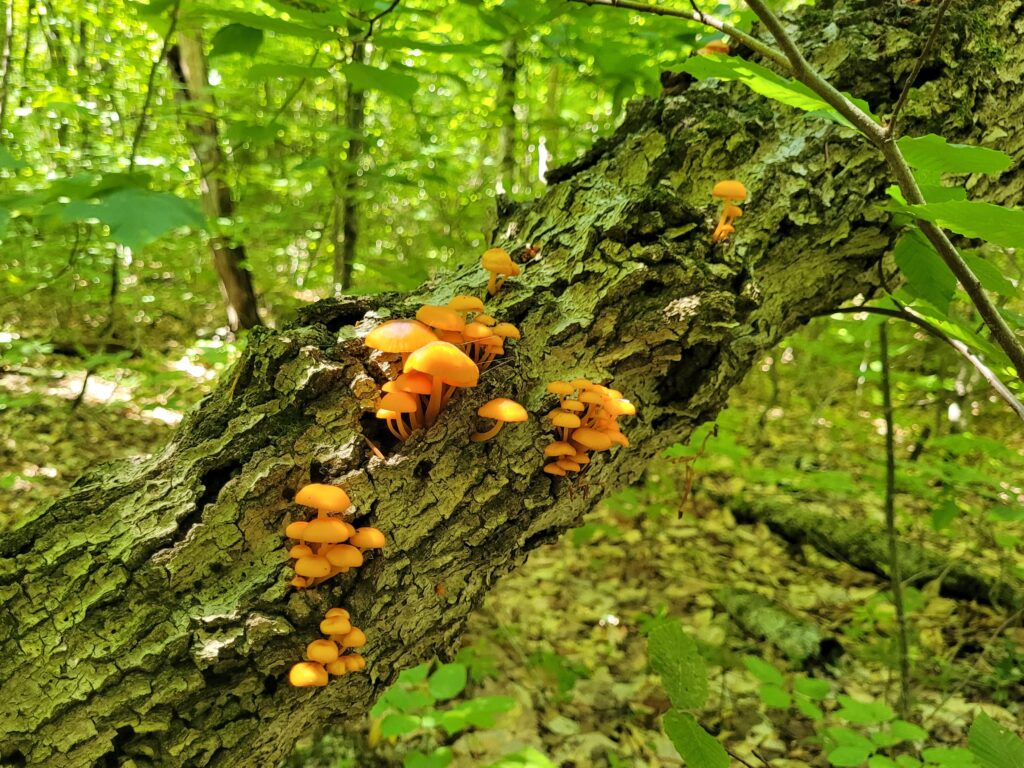
Tips for Enjoying Nature as a Wilderness Therapy Program Survivor
Generally speaking, spending time in green spaces like national parks and nature reserves can be extremely therapeutic and beneficial for mental wellness*. Unfortunately, many survivors of wilderness programs have trauma that makes it harder for us to enjoy the outdoors.
For over a decade, I avoided any activity that reminded me of my wilderness program. Over the last few years, I have been able to change my relationship with the outdoors in an extremely positive way. Now hiking is one of the most consistent and rewarding methods of self-care I have in my toolbox. I would like to share some tips that have been useful for me in making this change, in case anyone else is interested in giving it a shot.
If you don’t want to have anything to do with camping, hiking, the woods, or anything like that ever again, your feelings are completely valid and I do not want to push you. Please do not think I am judging anyone who does not want to follow this advice. I think that many of us are in a position right now where we could use extra supports and coping skills, so I hope that sharing what worked for me will be useful to others who are interested.
With all that said, here is my advice for getting started:
-Make sure everything is happening on your own terms for at least the first few times you go out in the woods. You pick the trail, the time, the people who are going with you, everything. Make sure you’re with at least one other person you trust who can keep an eye on you and check in if it seems like you’re dissociating or struggling emotionally. If you decide that the vibes feel off or you’re too tired or this is too emotionally heavy at any point, turn around and go back. Make sure you’re only with people who will support the decision to end the hike early if you want to.
-Bring plenty of clean water and your favorite snacks. Go out of your way to bring food that you weren’t allowed to have at your wilderness program. It’ll help keep you grounded in the present and remind you that you’re not in a position of scarcity. Even if you don’t think you’ll need it, you’ll likely also feel less vulnerable if you bring a well-stocked first aid kit, a lighter/matches, a whistle, a compass, a portable battery pack for your phone, and a flashlight. I also recommend downloading or taking a picture of the trail map ahead of time, if one is available.
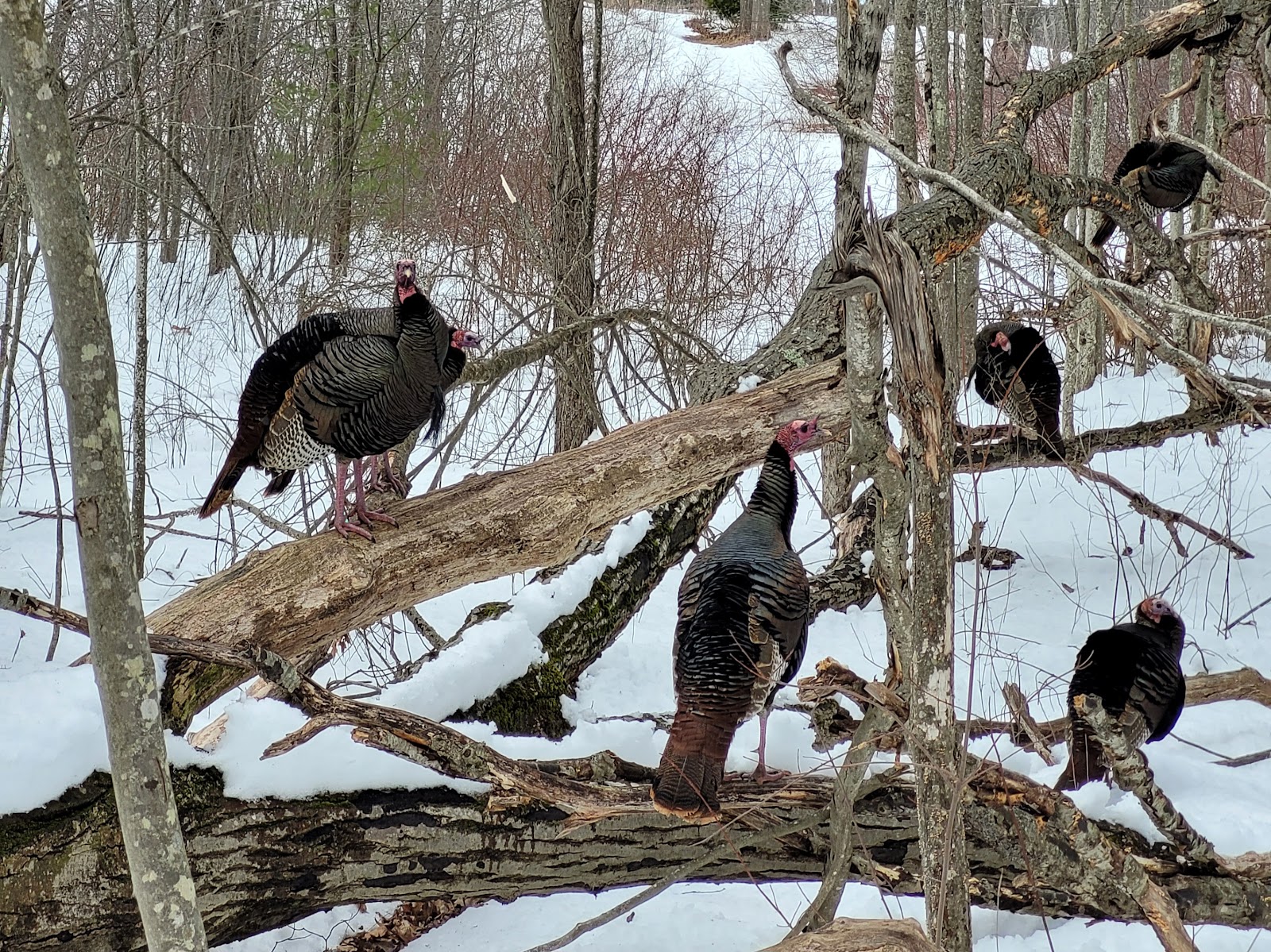
-Bring headphones and queue up your favorite music or a well-loved audiobook as an option to use if you start struggling with intrusive thoughts. Birdsong and other gentle nature sounds can be relaxing, but it’s not going to help if you’re spiraling inside your own head. Make sure you have everything downloaded to your phone ahead of time in case you’re in a spot with no cell signal when you need a distraction.
-If you can drive and you have your own vehicle, I definitely recommend driving yourself to the trailhead and making sure you can feel your car keys in your pocket while you hike. It’s just another tangible reminder that you’re in charge and you can leave whenever you want.
-Take frequent breaks, as often as you feel like you want one. While you’re hiking, pay attention to what’s called the “umbles”. If you start to mumble when you speak, stumble when you walk, or your stomach starts to rumble, that means it’s past time to stop for a break, preferably a break that includes having a snack and drinking some water. We were all taught to ignore our bodies’ needs while we were in wilderness programs, but outdoor safety guidelines actually demand that we do the opposite. Accidents are more likely to happen when we push our bodies too hard for too long. You’re also not likely to get much positive benefit (if any) from slogging through a hike that makes you miserable.
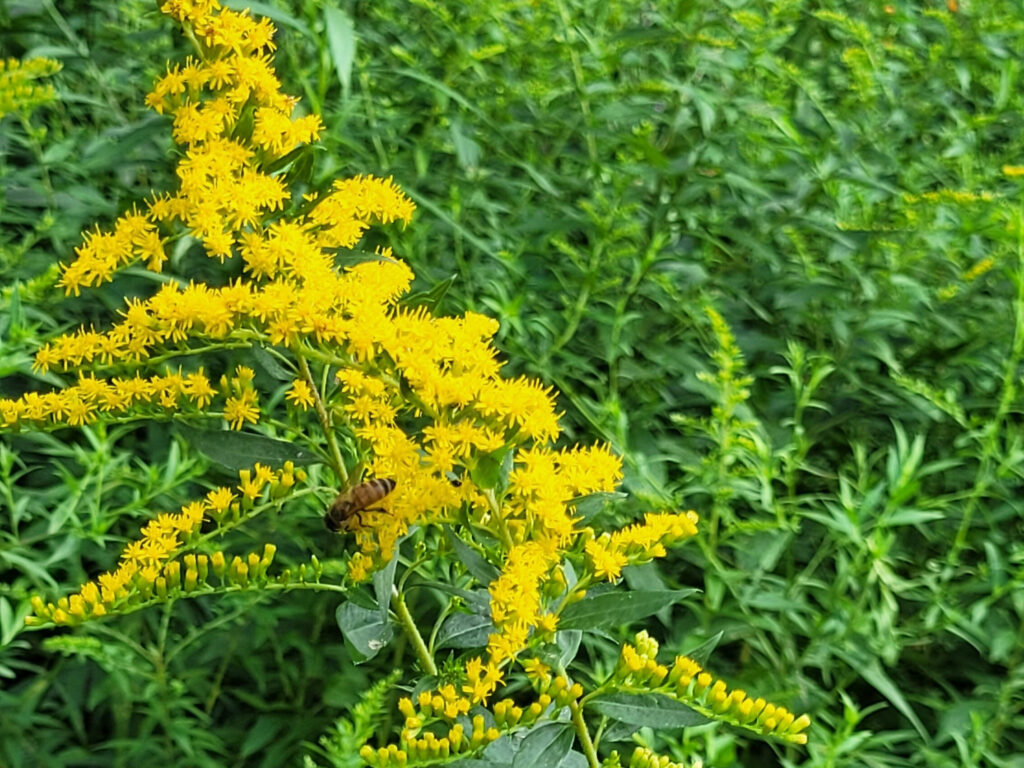
–Taking lots of pictures and keeping an eye out for plants, animals, mushrooms, and bugs to identify can be a good way to stay engaged with the environment and keep your mind from wandering to difficult subjects. You can purchase pocket guides to bring with you or download apps on your phone. Birda and iNaturalist both have very friendly online communities attached that you can share photos and videos with for identification help or just for fun. If you’re more artistically inclined, you can always bring a sketchbook to draw or paint anything interesting that you see. In my experience, incorporating creative and/or social hobbies into your hikes will make them feel more like something nice you’re doing for yourself and less like an obligation of some kind.
-Follow up your first few hikes with a low-stress schedule that makes you feel comfortable and safe. Don’t go for an overnight on your first outing. Make sure you have the whole rest of the day clear so that you can do pretty much whatever you feel like afterwards. You might want to go home, take a bath or a long shower, get into some cozy PJs, snuggle your pets if you have any, order your favorite delivery or throw together some easy junk food, and just binge a fun TV series. If you’re in a more contemplative mood, you might want to process some of the feelings that came up for you in a journal or with a supportive friend. It’s really important to take this opportunity to listen to your body and mind and take care of your needs. This will help you build a new, more positive association with spending time in nature as a self-care activity.
It might take some time to start feeling comfortable out on the trail, but in my case it was worth it. Spending time in nature is free, it’s almost always available, and it helps me a lot. Only you can decide if this is something that you want to take on. Don’t let anyone coerce or pressure you into working on your wilderness trauma before you feel ready.
*There is a growing body of research on the mental health benefits of access to green spaces. You can read one recent study here.