
Facility profile Florida
AMIkids Polk Inc.
Formerly Polk Halfway House (until 1999), Bartow Youth Training Center (1995 to 1999)
Also known as Polk County Multiple Risk Juvenile Center
AMIkids Polk Inc. is a residential treatment center in Bartow, Florida, operated by AMIkids. It has operated since 1999.
Timeline
From the records: who ran it and the deals that moved it, its names, and the deaths, incidents, inspection findings, lawsuits and news stories on file. Point at an event, or tap "More about this", for the details.
1995
Correctional Services Corporation began running it
It ran the program until 1999.
Renamed Bartow Youth Training Center
It had been Polk Halfway House.
1999
Youth Services International took it over from Correctional Services Corporation
It ran the program until 2004.
Opened in Bartow, Florida
2004
Youth Services International stopped running it
2005
Youth Services International: Sold by GEO Group to a company owned by former CSC CEO James Slattery
Correctional Services Corporation and Youth Services International ran AMIkids Polk Inc. on either side of the deal.
Youth Services International: Sold by GEO Group to a company owned by former CSC CEO James Slattery November 2005
On completing its purchase of CSC, The GEO Group sold Youth Services International for $3.75 million to a newly formed company owned by James F. Slattery, CSC's former chief executive officer.
As Polk Halfway House
News coverage
-
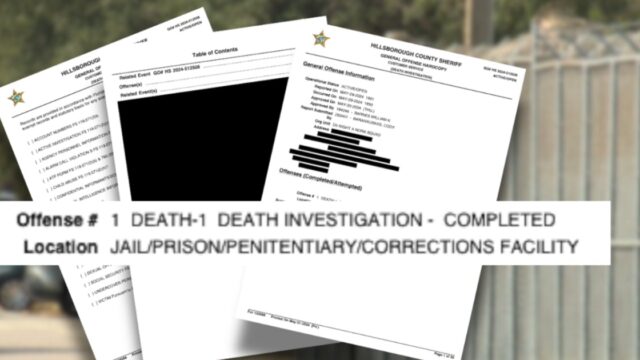
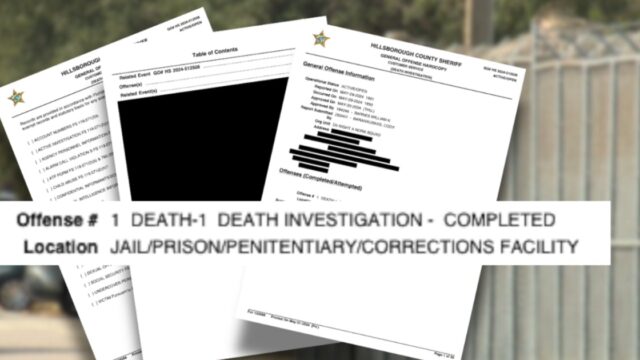
Girl's death, other issues, spark concerns involving other Florida facilities run by TrueCore
State contracts with TrueCore Behavioral Solutions faced increased scrutiny following the death of a resident at Lake Academy in Tampa and multiple reports of staff misconduct, assaults, and safety violations across several juvenile residential facilities in Florida.
As Bartow Youth Training Center
Staff
Administration
-
Emanuel Mitchell
As AMIkids Polk Inc.
News coverage
-
TrueCore Behavioral Solutions to Terminate Contracts for Four Florida Youth Detention Facilities Following State Scrutiny
TrueCore Behavioral Solutions announced the termination of multiple multi-million-dollar contracts to operate youth detention facilities for the Florida Department of Juvenile Justice. The decision follows ongoing investigations into facility conditions and a death by suicide at Lake Academy, which resulted in that facility's closure and the revocation of its operating contract.
-
Florida youth detention contractor will no longer operate four youth facilities
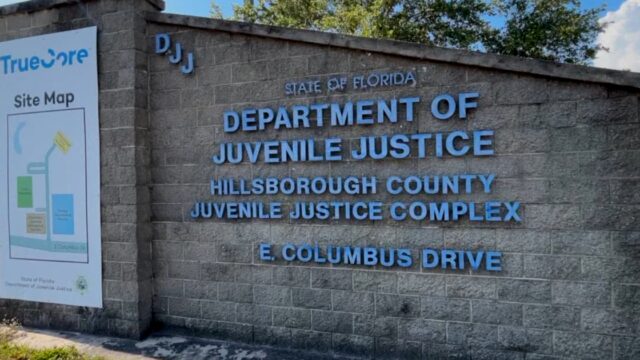
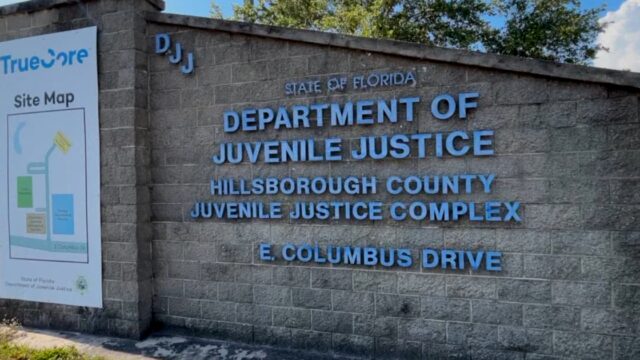
Parent Company: TrueCore Behavioral Solutions The Florida Department of Juvenile Justice is terminating its contract with TrueCore Behavioral Solutions to operate four programs (Hillsborough Girls Academy, Polk Halfway House, Fort Myers Academy, and Orange Youth Academy) after the death of a child at Lake Academy, also operated by TrueCore
-
Mother expresses concern over son’s treatment at Polk Halfway House
Parent Companies: TrueCore Behavioral Solutions, AMI Kids Lydia Perkins reported that her son is being abused and neglected at Polk Halfway House Her son has been transferred to Tampa Residential, another facility operated by TrueCore AMI Kids will take over operation of Polk Halfway House on September 1, 2024

Nonprofit tax filings
The yearly returns (IRS Form 990) of the nonprofit this program operates under, from the IRS through ProPublica's Nonprofit Explorer.
Amikids Polk Inc
EIN 99-4408620, Bartow, FL. Tax-exempt since 1983. Every filing on ProPublica's Nonprofit Explorer
ProPublica has no returns on file for it.
Business filings
The companies registered with the state behind this program, as the state's business register lists them.
Amikids Polk, Inc.
Florida nonprofit corporation, document N93000004447, filed October 1, 1993, inactive. Federal employer number 59-3208084. Florida's record of it
- Principal address
- 5915 Benjamin Center Drive, Tampa, FL, 33634
- Officers on file
- O.b. Stander, Director
- Claire Twomey, Secretary, Director
- Michael Riskin, Treasurer, Director
- Mark Codd, Chairman
- Craig Hill, Vice President, Chairman
- Registered agent
- David J Hull
Filings since it was formed
- June 6, 1997: Name change amendment
- November 20, 2000: Amended and restatedarticles
- January 24, 2008: Name change amendment
- September 2, 2009: Name change amendment
- September 6, 2016: Voluntary dissolution
Amikids Polk, Inc.
Florida nonprofit corporation, document N24000009407, filed August 6, 2024, active (last annual report 2026). Federal employer number 99-4408620. Florida's record of it
- Principal address
- 2145 Bob Phillips Road, Bartow, FL, 33830
- Officers on file
- Rosemary Brackman, Secretary
- Maria Porto-duarte, Treasurer
- Michael A Thornton, President
- Registered agent
- Smith, Hulsey & Busey, LLC
Trade names it registered
- Escambia Boys Base
Licensing and inspections
- Licensed as
- AMIkids Polk; AMIKids Polk Inc.; Polk Halfway House
- Program
- DJJ-unmatched-amikids-polk
- License category
- QI Residential
- Executive director
- Maurice Kelly
- Licensed capacity
- 24
- Licensing action
- Active
- Phone on file
- (863) 204-1770
- Licensed address
- 2145 Bob Phillips Road, Bartow, FL 33830
32 inspection reports on file. Search all Florida reports
The newest 25 reports, by date: 33 findings in 4 reports
- Jun 30, 2026 QI Residential - FY25-26
-
Jun 30, 2026
QI Residential - FY25-26 - 10 findings
10 findings
-
Failed compliance, DJJ review : Indicator 2.09 Performance Plan Development, Goals, and Transmittal
(Critical) The intervention and treatment team, including the youth, shall meet and develop the performance plan, based on the findings of the youth’s initial assessment, within thirty days of admission. For each goal, the performance plan shall specify the target date for completion, the youth’s responsibilities to accomplish the goal, and the program’s responsibilities to enable the youth to complete the goal. Within ten working days of completion of the performance plan, the program shall send a transmittal letter and a copy of the plan to the youth’s committing court, the assigned juvenile probation officer (JPO), the parent/guardian, and the Department of Children and Families (DCF) case manager, if applicable. The program has a policy and procedures addressing the development of performance plans and transmittals. Five youth case management records were reviewed. Three of the five youth did not have the Individualized Performance Plan (IPP) developed within thirty days of each youth admission. One youth IPP was three days late; however, was developed after the initial Residential Assessment for Youth (RAY). Two youth IPPs could not be located in the case management record to determine when the IPP was completed or if it was developed after the initial RAY. In the remaining two the IPP was developed within thirty days of youth admission after the initial RAY was completed. Two of the five IPPs did not have the intervention and treatment team leader signature, the ...
-
Limited compliance, DJJ review : Indicator 2.10 Performance Plan Revisions and Incorporation of Other
Plans Performance reviews shall result in revisions to the youth’s performance plan when determined necessary by the intervention and treatment team. The youth’s performance plan shall reference or incorporate the youth’s treatment or care plan. The program has a policy and procedures for Individualized Performance Plan (IPP) revisions and the incorporation of other plans. Five youth case management records were reviewed. Each of the five youth required some type of IPP revision. Two of the five IPPs did not have the required revisions based on newly acquired/revealed information . The remaining three did include the new information. One of the five IPP required a revision because of youth’s demonstrated progress toward completing a goal; however, did not. The remaining four IPPs did. One of the five IPPs did not include revisions required of the youth’s demonstrated lack of progress toward completing a goal. One IPP was not applicable, and the remaining three did have the required revisions. None of the IPPs were applicable transition activities during the last sixty days of youth’s stay. The five youth case management records were reviewed for incorporation of other plans into the IPP. Three of the five IPPs did not incorporate the required additional plans, including academic or treatment; two of the five IPPs did. None of the five IPPs required a behavior support plan or case plan through the Department of Children and Families (DCF) and/or Agency for Persons with ...
-
Limited compliance, DJJ review : Indicator 2.11 Performance Summaries and Transmittals
The intervention and treatment team shall prepare a Performance Summary at ninety day intervals, beginning ninety-days from the signing of the youth’s performance plan, or at shorter intervals when requested by the youth’s committing court. Additionally, the intervention and treatment team shall prepare a performance summary prior to the youth’s release, discharge, or transfer from the program. The program shall distribute the Performance Summary, as required, within ten working days of signing. The program has a policy and procedures for performance summaries and transmittals. Five youth case management records were reviewed. Three of the five performance summaries were completed every ninety calendar days following the signing of the performance plan. Two of the five performance summaries did not have a signed summary in each record; therefore, the date of the Performance Summary in the Department’s Juvenile Justice Information System was used as a guideline to the summaries being completed as required. Three of the five summaries did not include the level of motivation/readiness to change; two did. Four of the five summaries did not document if each youth was allowed to read and add comments prior to signing; the remaining one did. There was no documentation in four of the five youth records showing they received a copy of their Performance Summary; one had the documentation. Each of the five summaries included all other required elements. The original summaries were in ...
-
Limited compliance, DJJ review : Indicator 2.14 Transition Planning, Conference, and Community Re-Entry
Team Meeting (CRT) A program shall ensure the intervention and treatment team is planning for the youth’s successful transition to the community upon release from the program, when developing each youth’s performance plan and throughout its implementation during the youth’s stay. During the Transition Conference, participants shall review transition activities on the youth’s performance plan, revise the activities if necessary, and identify additional activities/services, as needed. Target completion dates and persons responsible for their completion shall be identified during the conference. The intervention and treatment team leader shall obtain conference participant’s dated signatures, representing their acknowledgement of the transition activities and accountability for their completion pursuant to the youth’s performance plan. Each youth must attend their scheduled Community Re-Entry Team (CRT) meeting prior to discharge. The program has a policy and procedures to ensure each youth receives transition planning to include a transition conference and Community Re-Entry Team (CRT) meeting. Three closed youth case management records were reviewed, and each contained documentation of a transition conference held; one record had a conference held forty days late and two conferences were held sixty days prior to the anticipated release date. All three transition conferences held included each youth, case manager/ treatment team leader, each youth’s juvenile probation officer ...
-
Limited compliance, DJJ review : Indicator 2.15 Exit Portfolio
The program will assemble an Exit Portfolio for each youth to assist once released back into the community. The program has a policy and procedures to ensure each youth has an exit portfolio with all required elements prior to release. Three closed youth case management records were reviewed, and none of the records contained documentation of an exit portfolio being addressed at the transition conference nor was the exit portfolio provided to the juvenile probation officer (JPO). Each of the reviewed records contained some elements of the exit portfolio. Each exit portfolio contained a copy of each youth’s transition plan with all dates, times, and locations of upcoming community appointments, and all education and/or vocational certificates earned in the program. Two of the three portfolios contained a sample job application and a resume; the remaining record did not require these elements as the youth is under fifteen years old. Each record had documentation the exit portfolio was provided to each youth at the time of release. None of the three exit portfolios contained documentation of a calendar with all upcoming community appointments, or a birth certificate. The one applicable record, for the youth over fifteen years old, did not have a state-issued identification card or a social security card, and no documentation regarding any barriers encountered. The program’s contract does not have any additionally required elements for the exit portfolio.
-
Failed compliance, DJJ review : Indicator 2.16 Exit Conference
An Exit Conference shall be conducted, in addition to a formal or informal meeting, to review the status of goals developed at the transition conference and finalize release plans. The program has a policy and procedures to ensure each youth has an exit conference prior to release. Three closed youth case management records were reviewed, and none of the records contained documentation of an exit portfolio being addressed at the exit conference. Each record contained documentation the exit conference was held after the program notified the juvenile probation officer (JPO) of the release. One of the three conferences was held within the required time frame; the remaining two conferences were held eight days late. One of the three reviewed records did not contain documentation of the exit conference and a summary of the pending transition goals; the remaining two records did. The documentation in one record did not have the required signatures; the remaining documentation in the two records did. All three reviewed records had admission and release dates which correlate with the dates in the Department’s Juvenile Justice Information System. Each record had documentation of the status of transition activities from the transition conference and the plans were finalized for each youth’s release, provisions for continuation of education and/or employment, and confirmation youth and parent/guardian were aware of the vocational plan. All three reviewed records did not have ...
-
Limited compliance, DJJ review : Indicator 2.19 Contract Specific Career and Technical Education
Services (Residential Contract Provider) The program shall implement all career and technical education services (formerly referred to as pre-vocational and vocational services) negotiated or outlined in the contract which are considered Contract Specific Conditions or listed within the Scope of Services Attachment. These may be referenced as the Memorandum of Negotiation (MON), Summary of Negotiated Points, Summary of Supplemental Response Request (SSRR), Best and Final Offer (BAFO), or Special Conditions. Older contracts may not have them clearly identified as a special condition. Career and technical education service instruction shall be provided so the interests, aptitudes, and skills of the youth are developed, while building upon their existing strengths, in a manner supportive of their employability goals which provide an occupational advantage and workforce readiness in their community. These items may exceed the minimum requirements outlined in Florida Statutes and Florida Administrative Code. The program has an approved contract requiring the provider to serve as collaborative partners who provide career and technical education (CTE) services which lead to career pathways with student outcomes which must include industry certifications earned from the Master Credentials List and may include articulation agreements providing enrollment opportunities into in-demand CTE programs at a local technical college. The contract also requires the provider to offer soft ...
-
Limited compliance, DJJ review : Indicator 4.13 Episodic/First-Aid and Emergency Care
The program shall have a comprehensive process for the provision of episodic care and first- aid care. The program has a policy and procedures to ensure a comprehensive process for the provision of episodic care and first-aid care. Five youth Individual Healthcare Records (IHCR) were reviewed, and four of five youth were applicable for requiring on-site first-aid or episodic care. On-site care was provided by licensed healthcare staff and documented in the required subjective, objective, assessment, and plan format in each applicable record. None of the reviewed youth were applicable for episodic or first-aid care being provided by non-healthcare staff. The program maintains five first-aid kits. The kits are kept in the laundry room next to the medical office, the administration hallway, in between classroom one and two, and two for the program vans. Nursing staff check each first-aid kit weekly and restock if needed. Three first-aid kits were checked during the annual compliance review week. Each first-aid kit was fully stocked with designated health authority (DHA) approved items. A review of documentation for the annual compliance review period found first-aid kits were inspected as required by nursing staff. The program has one automated external defibrillator (AED) which is in the administration hallway. The AED procedures are co-located in the cabinet with the AED. On-site nursing staff check to ensure the AED batteries and pads are operable. A review of documentation ...
-
Limited compliance, DJJ review : Indicator 5.09 Searches and Full Body Visual Searches
The program shall perform searches to ensure no contraband is introduced into the facility. During the annual compliance review week, searches of youth, staff, and visitors were observed. All youth were consistently searched upon entering and exiting classrooms each day. On one occasion, youth were also observed being searched prior to transportation. Searches of youth conducted during admission, before and after visitation, and upon returning from off- campus activities were not observed during the annual compliance review week, as these events did not occur. Video observation was conducted for one day, and verified youth are searched after tool use. The searches were conducted in alignment with the Right Interactions (RI) curriculum. Youth were treated with dignity and respect throughout the search process to minimize stress and embarrassment. Searches were conducted by the appropriate number of staff and always by staff of the same gender as the youth. Observations focused on the thoroughness of the searches, the clarity of staff instructions, and the professional demeanor displayed by staff when explaining the purpose and scope of the searches. A video review of five searches involving staff and visitors was conducted, with two concerns or issues noted; three days were observed. Video review indicated one day the staff being searched had an opaque bag and on another day staff searched did not have any of their three bags checked. The three bags consisted of a clear bag ...
-
Failed compliance, DJJ review : Indicator 5.16 Fire, Safety, and Evacuation Drills
The program shall conduct fire, safety, and evacuation drills to ensure youth and staff are prepared for immediate implementation or mobilization in the event of an emergency or disaster. The program maintains a policy and procedures to provide for the safety and security of both staff and youth in the event of an emergency or disaster. All drills for the annual compliance review period were reviewed. The documentation showed drills were not consistent with the Continuity of Operations Plan (COOP). All drills contained the type of drill, date, time, participants, and a brief scenario, including findings and recommendations. Drills were not conducted monthly on each staffing shift on a rotating basis. The types of drills completed were fire, escape, COOP (terrorist), COOP (riot/disturbance), COOP (hurricane), and Right Interactions (RI). The program missed two drills on first shift in two of twelve months and six drills on second shift in six of twelve months. Evacuation and egress routes were posted throughout the facility, and all six fire extinguishers were inspected annually. Five staff were interviewed and confirmed they participated in fire, suicide, escape, storm/emergency, medical, and right interactions drills within the past twelve months. Five youth were interviewed and confirmed they participate in fire drills regularly. Two youth indicated the frequency of drills at monthly, two said randomly, and one stated they occur every couple of weeks. According to the ...
-
-
Jun 30, 2026
QI Residential - FY25-26 - 10 findings
10 findings
-
Failed compliance, DJJ review : Indicator 2.09 Performance Plan Development, Goals, and Transmittal
(Critical) The intervention and treatment team, including the youth, shall meet and develop the performance plan, based on the findings of the youth’s initial assessment, within thirty days of admission. For each goal, the performance plan shall specify the target date for completion, the youth’s responsibilities to accomplish the goal, and the program’s responsibilities to enable the youth to complete the goal. Within ten working days of completion of the performance plan, the program shall send a transmittal letter and a copy of the plan to the youth’s committing court, the assigned juvenile probation officer (JPO), the parent/guardian, and the Department of Children and Families (DCF) case manager, if applicable. The program has a policy and procedures addressing the development of performance plans and transmittals. Five youth case management records were reviewed. Three of the five youth did not have the Individualized Performance Plan (IPP) developed within thirty days of each youth admission. One youth IPP was three days late; however, was developed after the initial Residential Assessment for Youth (RAY). Two youth IPPs could not be located in the case management record to determine when the IPP was completed or if it was developed after the initial RAY. In the remaining two the IPP was developed within thirty days of youth admission after the initial RAY was completed. Two of the five IPPs did not have the intervention and treatment team leader signature, the ...
-
Limited compliance, DJJ review : Indicator 2.10 Performance Plan Revisions and Incorporation of Other
Plans Performance reviews shall result in revisions to the youth’s performance plan when determined necessary by the intervention and treatment team. The youth’s performance plan shall reference or incorporate the youth’s treatment or care plan. The program has a policy and procedures for Individualized Performance Plan (IPP) revisions and the incorporation of other plans. Five youth case management records were reviewed. Each of the five youth required some type of IPP revision. Two of the five IPPs did not have the required revisions based on newly acquired/revealed information . The remaining three did include the new information. One of the five IPP required a revision because of youth’s demonstrated progress toward completing a goal; however, did not. The remaining four IPPs did. One of the five IPPs did not include revisions required of the youth’s demonstrated lack of progress toward completing a goal. One IPP was not applicable, and the remaining three did have the required revisions. None of the IPPs were applicable transition activities during the last sixty days of youth’s stay. The five youth case management records were reviewed for incorporation of other plans into the IPP. Three of the five IPPs did not incorporate the required additional plans, including academic or treatment; two of the five IPPs did. None of the five IPPs required a behavior support plan or case plan through the Department of Children and Families (DCF) and/or Agency for Persons with ...
-
Limited compliance, DJJ review : Indicator 2.11 Performance Summaries and Transmittals
The intervention and treatment team shall prepare a Performance Summary at ninety day intervals, beginning ninety-days from the signing of the youth’s performance plan, or at shorter intervals when requested by the youth’s committing court. Additionally, the intervention and treatment team shall prepare a performance summary prior to the youth’s release, discharge, or transfer from the program. The program shall distribute the Performance Summary, as required, within ten working days of signing. The program has a policy and procedures for performance summaries and transmittals. Five youth case management records were reviewed. Three of the five performance summaries were completed every ninety calendar days following the signing of the performance plan. Two of the five performance summaries did not have a signed summary in each record; therefore, the date of the Performance Summary in the Department’s Juvenile Justice Information System was used as a guideline to the summaries being completed as required. Three of the five summaries did not include the level of motivation/readiness to change; two did. Four of the five summaries did not document if each youth was allowed to read and add comments prior to signing; the remaining one did. There was no documentation in four of the five youth records showing they received a copy of their Performance Summary; one had the documentation. Each of the five summaries included all other required elements. The original summaries were in ...
-
Limited compliance, DJJ review : Indicator 2.14 Transition Planning, Conference, and Community Re-Entry
Team Meeting (CRT) A program shall ensure the intervention and treatment team is planning for the youth’s successful transition to the community upon release from the program, when developing each youth’s performance plan and throughout its implementation during the youth’s stay. During the Transition Conference, participants shall review transition activities on the youth’s performance plan, revise the activities if necessary, and identify additional activities/services, as needed. Target completion dates and persons responsible for their completion shall be identified during the conference. The intervention and treatment team leader shall obtain conference participant’s dated signatures, representing their acknowledgement of the transition activities and accountability for their completion pursuant to the youth’s performance plan. Each youth must attend their scheduled Community Re-Entry Team (CRT) meeting prior to discharge. The program has a policy and procedures to ensure each youth receives transition planning to include a transition conference and Community Re-Entry Team (CRT) meeting. Three closed youth case management records were reviewed, and each contained documentation of a transition conference held; one record had a conference held forty days late and two conferences were held sixty days prior to the anticipated release date. All three transition conferences held included each youth, case manager/ treatment team leader, each youth’s juvenile probation officer ...
-
Limited compliance, DJJ review : Indicator 2.15 Exit Portfolio
The program will assemble an Exit Portfolio for each youth to assist once released back into the community. The program has a policy and procedures to ensure each youth has an exit portfolio with all required elements prior to release. Three closed youth case management records were reviewed, and none of the records contained documentation of an exit portfolio being addressed at the transition conference nor was the exit portfolio provided to the juvenile probation officer (JPO). Each of the reviewed records contained some elements of the exit portfolio. Each exit portfolio contained a copy of each youth’s transition plan with all dates, times, and locations of upcoming community appointments, and all education and/or vocational certificates earned in the program. Two of the three portfolios contained a sample job application and a resume; the remaining record did not require these elements as the youth is under fifteen years old. Each record had documentation the exit portfolio was provided to each youth at the time of release. None of the three exit portfolios contained documentation of a calendar with all upcoming community appointments, or a birth certificate. The one applicable record, for the youth over fifteen years old, did not have a state-issued identification card or a social security card, and no documentation regarding any barriers encountered. The program’s contract does not have any additionally required elements for the exit portfolio.
-
Failed compliance, DJJ review : Indicator 2.16 Exit Conference
An Exit Conference shall be conducted, in addition to a formal or informal meeting, to review the status of goals developed at the transition conference and finalize release plans. The program has a policy and procedures to ensure each youth has an exit conference prior to release. Three closed youth case management records were reviewed, and none of the records contained documentation of an exit portfolio being addressed at the exit conference. Each record contained documentation the exit conference was held after the program notified the juvenile probation officer (JPO) of the release. One of the three conferences was held within the required time frame; the remaining two conferences were held eight days late. One of the three reviewed records did not contain documentation of the exit conference and a summary of the pending transition goals; the remaining two records did. The documentation in one record did not have the required signatures; the remaining documentation in the two records did. All three reviewed records had admission and release dates which correlate with the dates in the Department’s Juvenile Justice Information System. Each record had documentation of the status of transition activities from the transition conference and the plans were finalized for each youth’s release, provisions for continuation of education and/or employment, and confirmation youth and parent/guardian were aware of the vocational plan. All three reviewed records did not have ...
-
Limited compliance, DJJ review : Indicator 2.19 Contract Specific Career and Technical Education
Services (Residential Contract Provider) The program shall implement all career and technical education services (formerly referred to as pre-vocational and vocational services) negotiated or outlined in the contract which are considered Contract Specific Conditions or listed within the Scope of Services Attachment. These may be referenced as the Memorandum of Negotiation (MON), Summary of Negotiated Points, Summary of Supplemental Response Request (SSRR), Best and Final Offer (BAFO), or Special Conditions. Older contracts may not have them clearly identified as a special condition. Career and technical education service instruction shall be provided so the interests, aptitudes, and skills of the youth are developed, while building upon their existing strengths, in a manner supportive of their employability goals which provide an occupational advantage and workforce readiness in their community. These items may exceed the minimum requirements outlined in Florida Statutes and Florida Administrative Code. The program has an approved contract requiring the provider to serve as collaborative partners who provide career and technical education (CTE) services which lead to career pathways with student outcomes which must include industry certifications earned from the Master Credentials List and may include articulation agreements providing enrollment opportunities into in-demand CTE programs at a local technical college. The contract also requires the provider to offer soft ...
-
Limited compliance, DJJ review : Indicator 4.13 Episodic/First-Aid and Emergency Care
The program shall have a comprehensive process for the provision of episodic care and first- aid care. The program has a policy and procedures to ensure a comprehensive process for the provision of episodic care and first-aid care. Five youth Individual Healthcare Records (IHCR) were reviewed, and four of five youth were applicable for requiring on-site first-aid or episodic care. On-site care was provided by licensed healthcare staff and documented in the required subjective, objective, assessment, and plan format in each applicable record. None of the reviewed youth were applicable for episodic or first-aid care being provided by non-healthcare staff. The program maintains five first-aid kits. The kits are kept in the laundry room next to the medical office, the administration hallway, in between classroom one and two, and two for the program vans. Nursing staff check each first-aid kit weekly and restock if needed. Three first-aid kits were checked during the annual compliance review week. Each first-aid kit was fully stocked with designated health authority (DHA) approved items. A review of documentation for the annual compliance review period found first-aid kits were inspected as required by nursing staff. The program has one automated external defibrillator (AED) which is in the administration hallway. The AED procedures are co-located in the cabinet with the AED. On-site nursing staff check to ensure the AED batteries and pads are operable. A review of documentation ...
-
Limited compliance, DJJ review : Indicator 5.09 Searches and Full Body Visual Searches
The program shall perform searches to ensure no contraband is introduced into the facility. During the annual compliance review week, searches of youth, staff, and visitors were observed. All youth were consistently searched upon entering and exiting classrooms each day. On one occasion, youth were also observed being searched prior to transportation. Searches of youth conducted during admission, before and after visitation, and upon returning from off- campus activities were not observed during the annual compliance review week, as these events did not occur. Video observation was conducted for one day, and verified youth are searched after tool use. The searches were conducted in alignment with the Right Interactions (RI) curriculum. Youth were treated with dignity and respect throughout the search process to minimize stress and embarrassment. Searches were conducted by the appropriate number of staff and always by staff of the same gender as the youth. Observations focused on the thoroughness of the searches, the clarity of staff instructions, and the professional demeanor displayed by staff when explaining the purpose and scope of the searches. A video review of five searches involving staff and visitors was conducted, with two concerns or issues noted; three days were observed. Video review indicated one day the staff being searched had an opaque bag and on another day staff searched did not have any of their three bags checked. The three bags consisted of a clear bag ...
-
Failed compliance, DJJ review : Indicator 5.16 Fire, Safety, and Evacuation Drills
The program shall conduct fire, safety, and evacuation drills to ensure youth and staff are prepared for immediate implementation or mobilization in the event of an emergency or disaster. The program maintains a policy and procedures to provide for the safety and security of both staff and youth in the event of an emergency or disaster. All drills for the annual compliance review period were reviewed. The documentation showed drills were not consistent with the Continuity of Operations Plan (COOP). All drills contained the type of drill, date, time, participants, and a brief scenario, including findings and recommendations. Drills were not conducted monthly on each staffing shift on a rotating basis. The types of drills completed were fire, escape, COOP (terrorist), COOP (riot/disturbance), COOP (hurricane), and Right Interactions (RI). The program missed two drills on first shift in two of twelve months and six drills on second shift in six of twelve months. Evacuation and egress routes were posted throughout the facility, and all six fire extinguishers were inspected annually. Five staff were interviewed and confirmed they participated in fire, suicide, escape, storm/emergency, medical, and right interactions drills within the past twelve months. Five youth were interviewed and confirmed they participate in fire drills regularly. Two youth indicated the frequency of drills at monthly, two said randomly, and one stated they occur every couple of weeks. According to the ...
-
- Jun 30, 2026 SPEP - FY25-26
- Jun 30, 2026 SPEP - FY25-26
- Jun 30, 2026 SPEP - FY25-26
- Jun 30, 2024 SPEP - FY23-24
- Jun 30, 2024 SPEP - FY23-24
-
Jun 30, 2024
QI Residential - FY23-24 - 3 findings
3 findings
-
Limited compliance, DJJ review : Indicator 3.06 Mental Health and Substance Abuse Treatment (Critical)
Youth determined to have a serious mental disorder or substance abuse impairment and are receiving mental health or substance abuse treatment in a program, shall have an Initial or Individualized Mental Health or Substance Abuse Treatment Plan. When mental health or substance abuse treatment is initiated, an Initial or Individualized Mental Health or Substance Abuse Treatment Plan is completed. The program maintains a written policy and procedures outlining the program’s mental health and substance abuse treatment services. A review of five youth records reflected an initial treatment plan was developed within seven days of each youth admission. Each reviewed initial treatment plan was documented on the program’s form and included all elements of the Department’s Initial Mental Health/Substance Abuse Treatment Plan form. Three of the five youth initial treatment plans were completed by non-licensed clinical staff, and two were completed by the designated mental health clinician authority (DMHCA). Documentation indicated the three initial treatment plans completed by non-licensed clinical staff were signed by the DMHCA within ten days of completion. Each initial treatment plan was signed by all treatment team members who participated in the development of the plan. Each plan was signed by the youth and documented the juvenile probation officer (JPO) and parent/guardian participated by telephone. Additionally, in one youth record there was a signed initial treatment plan by ...
-
Limited compliance, DJJ review : Indicator 3.08 Specialized Treatment Services (Critical)
Specialized treatment services shall be provided in programs designated as “Specialized Treatment Services Programs” or are designated to provide “Specialized Treatment Overlay Services.” The program maintains a written policy and procedures to establish a delivery protocol for Mental Health Overlay Services (MHOS). The program provides daily group therapy, bi-weekly individual therapy, monthly family therapy, and psychiatric services. The program’s required clinical groups are Anger Management for Substance Abuse and Mental Health (MH/SA), Skillstreaming the Adolescent, Thinking, Feeling, and Behaving, and Strategies for Anger Management according to the contract. The program is providing Thinking, Feeling, and Behaving, Skillstreaming the Adolescent, and Anger Management for MH/SA Clients to the youth in the program. A review of the programs contract and an interview with the designated mental health clinician authority (DMHCA) confirmed the program was providing groups as required; however, documentation on each of the five youth records supported therapy groups were not limited to ten or fewer youth for mental health treatment groups. Documentation showed mental health groups ranged from eleven to seventeen youth based on weekly progress notes. The program administrators reported retraining will be conducted on group size to all the clinical staff facilitating mental health groups. Documentation indicated therapeutic services are held at least five times a week. All ...
-
Limited compliance, DJJ review : Indicator 5.16 Fire, Safety, and Evacuation Drills
The program shall conduct fire, safety, and evacuation drills to ensure youth and staff are prepared for immediate implementation or mobilization in the event of an emergency or disaster. The program has a written policy and procedures to ensure fire safety and evacuation drills are conducted, and youth and staff are prepared for immediate implementation or mobilization in the event of an emergency or disaster. A review of the program’s Continuity of Operations Plan (COOP) revealed the program conducts monthly fire drills and monthly COOP drills on a rotating basis on each shift. A tour of the program, during the annual compliance review week, found fire evacuation routes and egress plans were posted throughout the program. The program has seven fire extinguishers and reviewed documentation reflected all were inspected annually. Additionally, during the annual compliance review week, an annual fire inspection was conducted. A review of drill documentation for the annual compliance review period indicated the program conducted one monthly fire and a COOP drill, as required, on each shift. The program conducted monthly COOP drills which includes emergency drills, riot, disturbances, escapes, bomb threats, chemical spills, medical situations, and severe weather. Reviewed documentation for all drills contained the type of drill, date and time, participants, brief scenario, findings, and recommendations. An interview with the interim facility administrator (FA) and compliance ...
-
- Jun 30, 2023 SPEP - FY22-23
- Jun 30, 2023 SPEP - FY22-23
- Jun 30, 2022 SPEP - FY21-22
- Jun 30, 2022 SPEP - FY21-22
- Jun 30, 2021 SPEP - FY20-21
- Jun 30, 2021 SPEP - FY20-21
- Jun 30, 2020 SPEP - FY19-20
- Jun 30, 2020 SPEP - FY19-20
- Jun 30, 2019 SPEP - FY18-19
- Jun 30, 2019 SPEP - FY18-19
- Jun 30, 2018 SPEP - FY17-18
- Jun 30, 2018 SPEP - FY17-18
- Jun 30, 2017 SPEP - FY16-17
- Jun 30, 2017 SPEP - FY16-17
- Jun 30, 2017 SPEP - FY16-17
Connections on the network map
The companies, people and programs our research map ties to this program. Open it on the network map.
Ownership
- Youth Services International
We have questions about AMIkids Polk Inc.
If you were there, worked there or sent your child there, you can help fill in what our records are missing. Each question takes a moment; skip anything you do not know.