Golightley Conversion therapy Notes, Quotes, & Summary
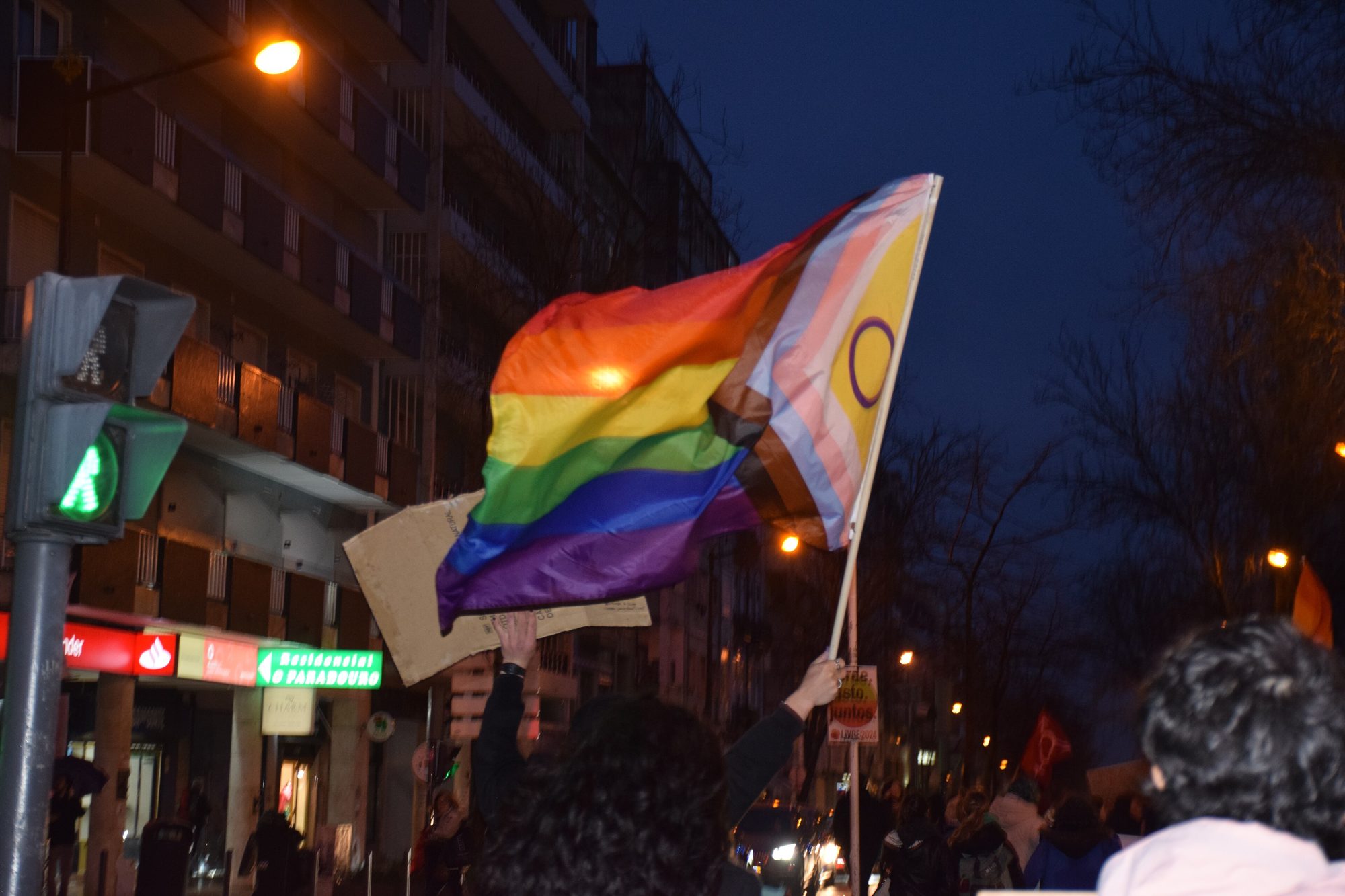
Lua Eva Blue, CC BY 4.0, via Wikimedia Commons
‘I’m Gay! I’m Gay! I’m Gay! I’m a Homosexual!’: Overt and Covert Conversion Therapy Practices in Therapeutic Boarding Schools by Sarah Golightley
Programs Mentioned: None
British Journal of Social Work (2023) 53, 1426–1444
Triggers: homophobia, transphobia, physical abuse, psychological abuse, conversion therapy, incest, forced labor, neglect, stress position torture, spiritual abuse
The author is a survivor and researcher
Interviews were conducted with Therapeutic Boarding School (TBS) survivors who shared their experiences with conversion therapy
Conversion therapy is based on the premise that that everyone is (or can become) straight and cisgender (not transgender)
In conversion therapy, trans and queer identities are seen as spiritual illnesses
Removal of LGBTQ+ social influences is part of conversion therapy
“Sexual orientation, gender identity and expression change efforts (SOGIECE) are practices that pressure a person to change or suppress their sexual orientation, gender identity or gender expression to more closely align with cisgender and heterosexual norms (Salway, 2020; Kinitz et al., 2022). I use the word ‘pressure’ where other scholars have used ‘attempt’ to reflect that SOGIECE can be enacted with or without intentional effort and can be perpetuated knowingly or unknowingly. I use the term ‘conversion therapy’ to describe SOGIECE practices that occur within formal ‘care’ settings, such as TBS” p. 1430
Case Study 1 – James, overt conversion therapy
James is white, cisgender, and gay
James attended a TBS in the 1990s
Overt conversion therapy: admitting to trying to change someone’s sexual orientation or gender identity/expression on purpose
Jeremy’s mother sent him to a TBS because he was gay
Jeremy’s TBS was in the “rural Southeast”
Jeremy was outed as gay at his TBS when staff found gay pornography on his laptop
Jeremy was put on “restriction” for coming out as gay to other students
TRIGGER WARNING: description of physically and psychologically abusive and neglectful punishments; description of forced labor p. 1431
“At Jeremy’s TBS staff operated a ‘privilege level’ system where a student’s perceived emotional progress and good behaviour were rewarded by level promotion, and perceived non-compliance resulted in demotion. ‘Privileges’ were not merely superfluous comforts, moving up privilege levels protected students from the most extreme living conditions and maltreatment. Demotion to the lowest level was a severe punishment. Jeremy was removed from the day-to-day life of the school and no longer allowed to communicate with his peers.” p. 1431
TBS staff incorrectly assumed Jeremy was gay because of childhood sexual abuse
TBS staff assigned Jeremy manual labor so that he would become more “masculine”
TBS staff encouraged Jeremy to suppress his sexual orientation
Jeremy suffered trauma from his experiences and is no longer in contact with his mother
Case Study 2 – Eli, covert conversion therapy
Eli is white, queer, and nonbinary (uses they/them pronouns)
They attended a TBS in the 2010s
Eli’s family did not want to change Eli’s orientation or identity
“I define ‘covert conversion therapy’ as practices that do not openly or explicitly attempt to change or suppress a person’s sexual orientation, gender identity or gender expression, but where there is sustained pressure by persons in authority for such change or suppression and an underlying conversion ideology” p. 1432
Eli’s TBS claimed to be LGBTQ+ friendly
Eli is autistic
When Eli was sent to a TBS, they were out as queer, but had not yet figured out their gender identity
Eli and their parents selected their TBS together and intentionally chose one that advertised itself as secular and LGBTQ+ friendly
The staff at Eli’s TBS were all Mormon and would not allow Eli or other students to talk about their sexual orientations
Eli’s TBS also used a level-based system of privileges
Eli was never told to identify as a woman explicitly, but felt pressured to do so in order to move up
Eli’s TBS believed that Eli’s queer identity would disappear after resolving trauma
Eli experienced PTSD from their time at the TBS
Epistemic injustice: when a person is treated like they can’t know something that they actually do know
“Troubled teens” frequently experience epistemic injustice from TBS staff and family members
Conversion therapy is a form of epistemic injustice: it tells LGBTQ+ people that they don’t know what they want or who they are
“Testimonial injustice occurs when a speaker’s word is not valued or believed due to unfair or prejudicial assumptions about the speaker’s capacity to know a subject. In TBS, the students were treated as having a credibility deficit, a lack of valuable insight and knowledge.” p. 1436
Eli mentioned that they weren’t allowed to argue with staff at their TBS and they would be accused of being “in denial” if they ever openly disagreed
Jeremy did not believe in the program at his TBS but he participated in it to avoid punishment
Jeremy was able to secretly have sexual and romantic relationships with other students without being caught by TBS staff
Eli began to believe in the program and feels “brainwashed”
Eli did not question the program’s ideology again until months after they graduated
Jeremy was sexually abused by a male student and a male staff member while at his TBS
Jeremy did not report his abuse because he did not think he would be believed
Eli did not report abuse because they did not trust the program to do anything to stop it
A staff member at Eli’s TBS was recently arrested for sexually abusing students
Epistemic injustice makes it harder for victims to report abuse
Epistemic injustice also makes it easier for perpetrators to hide abuse
These case studies are examples of how conversion therapy keeps changing over time
Conversion therapy ban legislation usually only covers services provided by a healthcare provider
TBS staff are usually not healthcare providers
Conversion therapy was part of the culture at both Jeremy’s and Eli’s programs