Temperance and the War on Drugs
Temperance societies, Alcoholics Anonymous, the federal narcotic farms, Nixon’s drug war, and the Just Say No era that sent teenagers to Straight, Inc.

White House Photographic Office, Public domain, via Wikimedia Commons
1500 to 1799 #
- 1673 – Puritan minister Increase Mather publishes “Wo to Drunkards: Two Sermons Testifying against the Sin of Drunkenness.”
- This marks the first significant challenge to the conception of alcohol in the United States.
- Mather draws a distinction between moderate and excessive drinking, advocating for the regulation of taverns and alehouses by Boston elders to prevent excessive consumption.
- 1784 – Benjamin Rush published “An Inquiry into the Effects of Spirituous Liquors upon the Human Body and Mind” proposing that habitual drunkenness should be considered a disease rather than a moral failing.
- He advocated for total abstinence and suggested that medical treatment could aid in recovery.
- Proposed the establishment of sober houses.
- Rush’s ideas were revolutionary and laid the foundation for the medicalization of addiction.
1800s #
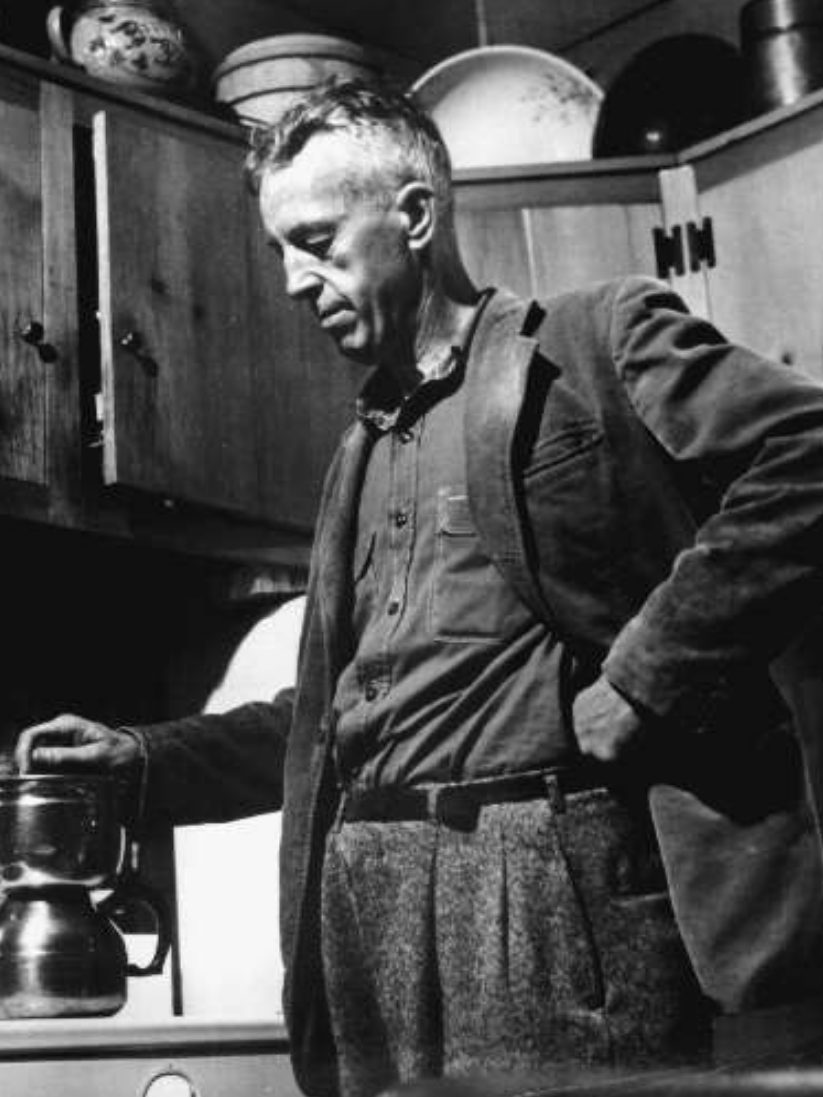
- 1813 – The Massachusetts Society for the Suppression of Intemperance and the Connecticut Society are founded, marking the beginning of the moderationist movement.
- 1826 – The American Temperance Society (ATS) is founded.
- It draws members from evangelical denominations and includes many women.
- The ATS shifts the focus of temperance reform from moderation to outright abstinence from spirits, holding upper-class moderate drinkers responsible for setting a poor example for the lower classes.
- 1827 – Lyman Beecher publishes Six Sermons on the Nature, Occasions, Signs, Evils, and Remedy of Intemperance.
- Beecher advocates for total abstinence from all forms of alcohol, combining medical and religious arguments and emphasizing the use of statistics to reveal the “mighty evil” of intemperance. He focuses on saving the sober, as confirmed drunkards were believed to be beyond reclamation.
- 1840 – The Washingtonian movement is established by six alcoholics in Baltimore, Maryland.
- Their aim was to support each other in achieving sobriety through mutual aid and personal testimony.
- The movement rapidly gained popularity, spreading across the United States and attracting thousands of members.
- The program emphasized personal storytelling, mutual support, and total abstinence from alcohol.
- Unlike the prevailing temperance movements of the time, which often focused on moral condemnation, the Washingtonians promoted a compassionate approach, recognizing alcoholism as a personal struggle rather than a moral failing.
- 1850 – Massachusetts succeeds in transforming itself into a “teetotal” state, county by county.
- 1851 – Maine becomes the first state to vote itself entirely “teetotal” with the passage of its “Maine Law.”
- By 1855 – Twelve states and territories had followed Maine’s example and adopted prohibition laws.
- This year marks the high point of nineteenth-century prohibition and temperance reform.
- 1870s – Reform clubs and fraternal temperance societies emerge
- Osgood’s Reformed Drinkers Club: One of the earliest examples was Osgood’s Reformed Drinkers Club, founded in the 1870s.
- This club emphasized personal testimony and mutual support, providing a space for individuals to share their experiences and encourage one another in their commitment to abstinence
- Reynolds’ Red Ribbon Reform Clubs: In 1874, Francis Murphy, a prominent temperance advocate, collaborated with Dr. Henry A. Reynolds to establish the Red Ribbon Reform Clubs.
- These clubs were characterized by members wearing red ribbons as a public symbol of their commitment to sobriety. The movement rapidly expanded, with thousands of clubs forming across the United States.
- Building on the success of the Red Ribbon movement, Francis Murphy initiated the Blue Ribbon Reform Clubs in the late 1870s.
- Osgood’s Reformed Drinkers Club: One of the earliest examples was Osgood’s Reformed Drinkers Club, founded in the 1870s.
- 1874 – The Women’s Christian Temperance Union (WCTU) is founded, becoming highly predominant.
- Led by Frances Willard, the WCTU successfully lobbies for prohibition laws and implements alcohol education programs in schools nationwide.
- 1879 – Dr. Leslie E. Keeley founded the first Keeley Institute
- Keeley’s treatment, known as the “Double Chloride of Gold Cure,” involved four daily hypodermic injections and oral tonics administered every two hours over a four-week period.
- While Keeley claimed the injections contained bichloride of gold, analyses revealed the absence of gold, identifying ingredients like strychnine, atropine, and alcohol.
- Despite skepticism, the treatment’s structure and Keeley’s assertion of a 95% cure rate attracted many seeking relief from addiction
- Despite its popularity, the Keeley Cure faced criticism from the medical community for its secret formula and lack of scientific validation.
- Investigative journalist Nellie Bly’s 1894 exposé highlighted questionable practices at a Keeley facility, further tarnishing its reputation.
- Keeley’s treatment, known as the “Double Chloride of Gold Cure,” involved four daily hypodermic injections and oral tonics administered every two hours over a four-week period.
- 1898 – Bayer begins commercial production of heroin, promoting it as a safe and non-addictive alternative to morphine.
- 1899–1905 – Physicians in the U.S. and Europe begin prescribing heroin to treat morphine addiction, often in sanitariums or private practices.
- By 1905 – Medical journals begin to report cases of heroin addiction, and physicians note that it is potentially even more addictive than morphine.
1900 to 1949 #
- 1906 – The Emmanuel Movement begins at the Emmanuel Church in Boston.
- Integrated spiritual guidance with psychological counseling.
- Led by Episcopal priests Elwood Worcester and Samuel McComb, the movement emphasized the role of trained non-professionals in providing support to individuals struggling with addiction.
- This approach democratized access to psychological care and laid the groundwork for future community-based treatment models.
- 1909 – The Opium Commission is held in Shanghai.
- 1911–1914 – The First, Second, and Third International Opium Conferences take place in The Hague.
- 1912 – The International Opium Convention is signed, the first treaty aimed at fighting illegal drug production and trafficking, with the US as a signatory.
- 1914 – The Harrison Narcotics Tax Act becomes a pivotal law that regulates and taxes the production, importation, and distribution of opiates and coca products.
- While intended to curb addiction, the act also criminalized certain aspects of drug use and limited physicians’ ability to treat addicts, leading to unintended consequences.
- It is inspired by the International Opium Convention.
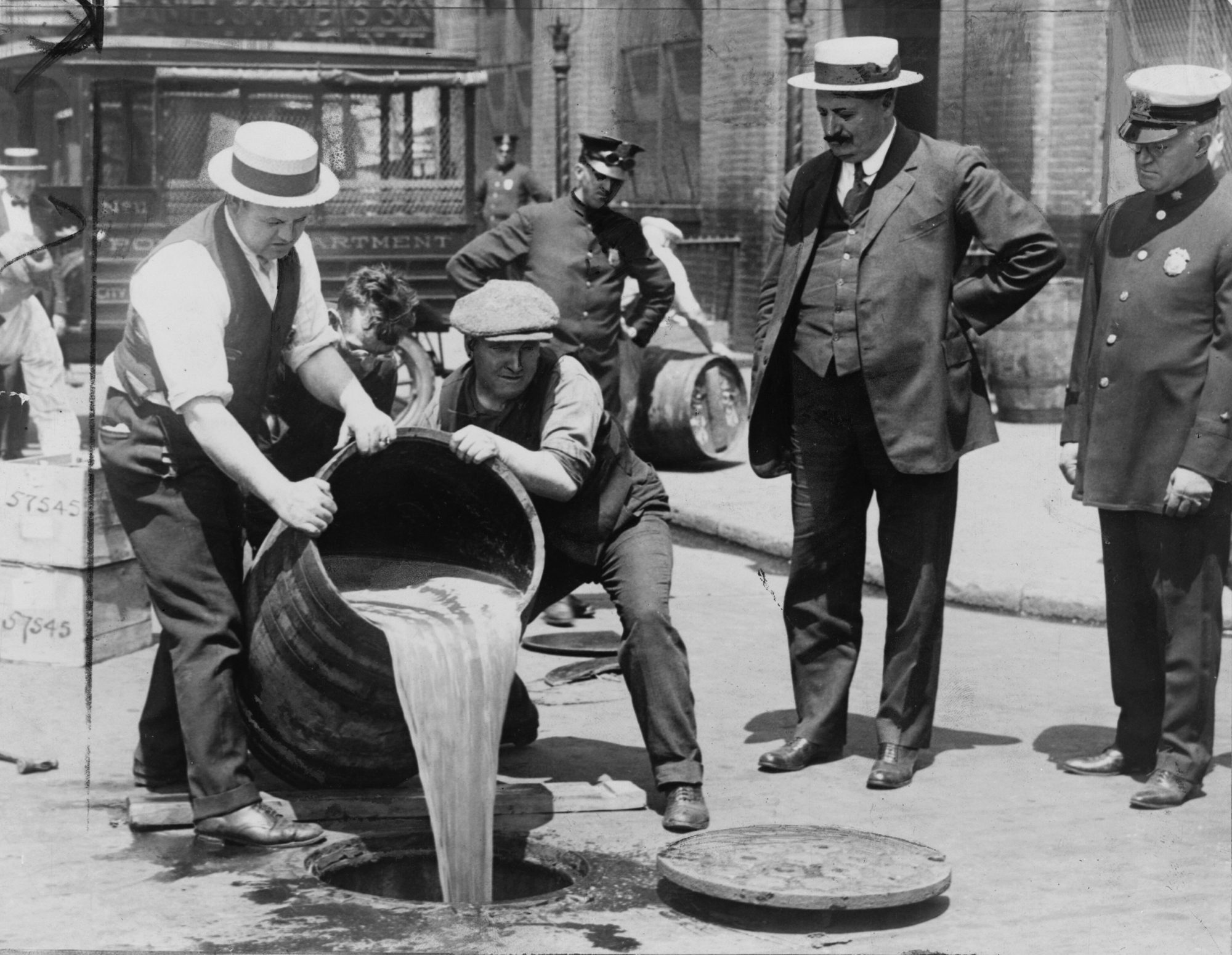
- 1919 – The 18th Amendment to the U.S. Constitution is ratified, banning the manufacture, sale, and transportation of alcoholic beverages nationwide.
- 1924 – The Heroin Act (US) makes it illegal to manufacture, import, or possess heroin in the United States, effectively ending its use in medical treatment.
- 1929 – The Porter Narcotic Farm Act authorizes the creation of two federal hospitals (“narcotic farms”) in Kentucky and Texas to treat addicts in prisons.
- 1930 – The Federal Bureau of Narcotics is formed from the Narcotics Division of the Bureau Prohibition and the Federal Narcotics Control Board.
- 1932 – The Uniform State Narcotic Act mandates states to pass drug control laws, including marijuana.
- December 5 1933 – Repeal of National Prohibition (US)
- The 21st Amendment to the U.S. Constitution repealed the 18th Amendment, ending national Prohibition.
- Control over alcohol regulation largely returned to individual states.
- Driven more by the Great Depression than by public backlash; it was tied to economic recovery and tax revenue, not cultural liberalization.
- 1934 – Bill Wilson got sober with The Oxford Group and the Belladonna Cure
- A friend told Bill Wilson that The Oxford Group had helped him get sober and they attended a meeting together.
- About a week later, Wilson was hospitalized for alcoholism. During his treatment, he was given hallucinogenic medications for four days while members of The Oxford Group prayed around him.
- At the end of his treatment, Wilson said that his alcoholism had been cured and that he had come up with the idea for Alcoholics Anonymous (AA), which was heavily inspired by The Oxford Group.
- AA’s program was based on Wilson’s belief that alcoholism is a moral, medical, and spiritual disease.
- 1935 – The first AA group began meeting in New York City.
- Successful members of AA were told that they could maintain their sobriety by sponsoring new members of the program.
- 1935 – First Federal Narcotic Farm: U.S. Public Health Service Hospital in Lexington, Kentucky, also known as the Lexington Narcotic Farm or informally, “Narco.”
- This facility combined medical treatment with agricultural labor, aiming to rehabilitate patients through structured routines.
- The Addiction Research Center (ARC) was established in 1935 as part of the U.S. Public Health Service Hospital in Lexington, Kentucky
- ARC’s early research included:
- Clinical studies on heroin, morphine, methadone, and other substances.
- Groundbreaking work in psychopharmacology and addiction relapse.
- Involuntary and voluntary subjects, including prisoners and “volunteer patients,” often addicts themselves.
- 1938 – Second Federal Narcotic Farm: U.S. Public Health Service Hospital in Fort Worth, Texas
- It operated under a similar model to Lexington, focusing on treatment and research
- 1939 – High Watch Farm, now known as High Watch Recovery Center, is established in Kent, Connecticut. It holds the distinction of being the world’s first recovery center founded on the principles of Alcoholics Anonymous (AA)
- 1944 – The National Committee for Education on Alcoholism (NCEA) was established, aiming to educate the public and reduce stigma.
1950 to 1979 #
- 1950s – The Minnesota Model emerged in the 1950s as a dominant approach to treating alcoholism and other addictions.
- The Minnesota Model was developed through the collaboration of several institutions in Minnesota, notably the Hazelden Foundation, Willmar State Hospital, and Pioneer House. Dan Anderson, a psychologist who later became president of Hazelden, played a pivotal role in refining and promoting the model.
- It integrated the 12-Step philosophy of AA with professional therapeutic practices, establishing a comprehensive framework for recovery.
- Multidisciplinary Team: The model employed a team of professionals, including physicians, psychologists, counselors, and recovering individuals, to address the multifaceted nature of addiction.
- Individualized Treatment Plans: Recognizing that each person’s journey is unique, treatment plans were tailored to meet individual needs, incorporating medical care, psychotherapy, and spiritual guidance.
- Family Involvement: The model emphasized the role of family in recovery, encouraging participation in therapy sessions and educational programs.
- Integration of AA Principles: Patients were introduced to AA meetings and encouraged to engage with the 12-Step program as a cornerstone of their recovery process.
- Residential Treatment: Typically involving a 28-day inpatient stay, the model provided a structured environment conducive to intensive therapy and peer support.
- 1951 – The Boggs Act introduces minimum penalties and fines for drug offenses.
- 1951 – The Interdepartmental Committee on Narcotics is created to improve information on drug trafficking control and addict treatment.
- 1952 – The American Psychiatric Association included alcoholism in DSM-I.
- The WHO pushed the AMA to accept a disease model in 1957.
- Jellinek’s 1960 book, The Disease Concept of Alcoholism, broadly defined disease as “what the medical profession recognizes as such,” influencing the concept “without convincing scientific evidence, but with direct discursive influence.”
- 1956 – The Narcotic Control Act (Boggs-Daniels Act) increases penalties and prison sentences for federal narcotics law violations, not differentiating between opium, coca leaves, and marijuana.
- It introduces the death penalty for selling opium by a person over 18 to someone younger than 18.
- 1957 – Chuck Dederich was at an AA meeting when he was recruited by Sydney Cohen and Keith Dittman to participate in a study researching how LSD affects alcoholics.
- This study was funded by the National Institute of Mental Health (NIMH).
- Dederich felt enlightened by his experiences with LSD and used the experience as inspiration to create his own program for people with substance use disorders called Tender Loving Care.
- He held meetings in his home where members would talk about themselves, like they did at meetings for AA and The Oxford Group, but in Dederich’s program, members were encouraged to confront and insult each other. This treatment method is often called attack therapy.
- 1958 – Dederich changed the name of Tender Loving Care to Synanon Foundation.
- At this stage, Synanon was a two-year residential program for adults with substance use disorders.
- 1959 – Synanon’s methods gain attention, as Dederich claims the program can cure hard-core addicts through peer pressure and psychological confrontation.
- 1962 – The President’s Advisory Commission on Narcotics and Drug Abuse (Prettyman Commission) is created, recommending transferring the Federal Bureau of Narcotics to the Department of Justice and increasing federal drug agents.
- 1963 – The Community Mental Health Centers Act is established, providing federal support for local addict treatment initiatives and placing addiction under the rubric of mental illness.
- 1965 – The Drug Abuse Control Amendments modify the Food, Drug and Cosmetics Act, establishing strict controls over amphetamines, barbiturates, and LSD.
- 1966 – Congress passes the Narcotic Addict Rehabilitation Act.
- The act enabled drug-related charges to be dropped after three years if the person in question received rehabilitation treatment and stayed sober.
- Urged treating addicts as ill people rather than automatically embedding them in the prison system
- 1968 – The Law Enforcement Assistance Administration (LEAA) is created, funneling federal funds into juvenile reform programs and alternative correctional facilities. This agency would later provide critical financial support to early TTI programs.
- 1968 – Nixon Declares War on Drugs
- President Nixon officially declared the war on drugs, which would later be revealed as an intentional effort to suppress Black Power, anti-war, and other countercultural leftist activists.
- This was confirmed by Nixon’s domestic policy advisor John Erlichmann in an interview in 1994.
- Stricter laws with harsher penalties were meant to put activists in prison for a long time over minor offenses. One of the side-effects was that wealthy, white parents were suddenly having to contend with their kids getting in trouble with the law over what used to just be considered “normal teenage rebellion”.
- This established a huge incentive to create and expand alternatives to juvenile detention, so that these families could reform their (white, middle-to-upper-class) kids without getting a criminal record or facing social stigma as a family in the process.
- President Nixon officially declared the war on drugs, which would later be revealed as an intentional effort to suppress Black Power, anti-war, and other countercultural leftist activists.
- 1970 – President Richard Nixon signs the Comprehensive Drug Abuse and Prevention Act, known as the Controlled Substances Act, designed to control the pharmaceutical industry and restrict illegal substances.
- This act replaces previous federal drug laws, establishes drug schedules, and creates the Drug Enforcement Administration (DEA) and National Institute on Drug Abuse (NIDA).
- Nixon declares drugs “public enemy number one.”
- 1973 – The Drug Abuse Office and Treatment Act creates the Special Action Office for Drug Abuse Prevention, further entrenching federal funding into behavior modification programs.
- 1973 – The Methadone Control Act establishes regulated licenses for methadone in treating opiate addictions.
1980s and 1990s #

- 1982 – Nancy Reagan begins her “Just Say No” tour.
- Program visits on the tour included:
- February 16, 1982 – Straight, Inc.
- May 10, 1982 – Gateway House Drug Program
- August 5, 1982 – Palmer Drug Abuse Program
- May 4, 1983 – Phoenix House
- August 11, 1983 – CENIKOR
- August 23, 1983 – John Tracy Clinic
- September 17, 1984 – Straight, Inc.
- July 25, 1985 – Ohio anti-drug program trip
- August 8, 1985 – Massachusetts anti-drug program trip
- September 17, 1986 – Phoenix House
- September 25, 1986 – Pennsylvania Chemical People anti-drug program
- October 1, 1986 – Missouri anti-drug program event
- November 6, 1986 – Charles A. Dana Foundation event, New York
- November 25, 1986 – Boys Town, Nebraska
- March 24, 1987 – TPC Village
- May 19, 1987 – Teen Challenge of Tennessee, Chattanooga
- Program visits on the tour included:
- 1983 – The Washington Post publishes the now-infamous “Jimmy’s World” article about an eight-year-old heroin addict, later revealed to be a fabrication. This fuels sensationalized fears about juvenile drug use.
- 1984 – The book Toughlove gains popularity, reinforcing strict, punitive parenting methods and fueling support for harsh disciplinary approaches to troubled youth.
- 1984 – The Drug Offenders Act establishes special treatment for drug offenders.
- 1984 – The Comprehensive Crime Control Act, signed by Ronald Reagan, aims to sharpen penalties for drug-related crimes.
- 1986 – The Anti-Drug Abuse Act:
- Created mandatory minimum sentences.
- Introduced the infamous 100:1 sentencing disparity between crack and powder cocaine, disproportionately affecting Black Americans.
- 1987 – The Drug Abuse Resistance Education (D.A.R.E.) program is launched nationally.
- Reinforced zero-tolerance policies
- Spread exaggerated fears about juvenile drug use
- 1993 – Bob Lichfield signed a contract with Utah Alcoholism Foundation to manage Brightway Adolescent Hospital
2000 to today #
- June 2011 – The Global Commission on Drug Policy releases a report in New York, firmly stating that the global war against drugs has suffered defeat and caused crushing effects, criticizing the UN system and the US approach.
Sources #
- Baum, D. (2016, April). Legalize it all: How to win the war on drugs. Harper’s Magazine. Legalize it all (harpers.org)
- Blocker, J. S., Jr. (2006). Did Prohibition really work? Alcohol prohibition as a public health innovation. American Journal of Public Health, 96(2), 233–243. Ajph 2005 (doi.org)
- Claybaugh, A. (2006). Temperance. In J. Gabler-Hover & R. Sattlemeyer (Eds.), American history through literature, 1820–1870 (pp. 1152–1158). Charles Scribner’s Sons.
- Reagan Presidential Library & Museum. (n.d.). Nancy Reagan’s travels as First Lady. Ronald Reagan Presidential Library and Museum. Retrieved from Nancy reagans travels first lady (reaganlibrary.gov)
- Seabrook, A. (Host). (2008, November 1). America’s first drug treatment prison revisited (featuring interviews with JP Olsen and Nancy Campbell) [Audio podcast episode]. In All Things Considered. NPR. Americas first drug treatment prison revisited (npr.org)
- Severns, J. R. (2004). A sociohistorical view of addiction and alcoholism. Janus Head, 7(1), 149–166.
- White, W. L. (1998). Slaying the dragon: The history of addiction treatment and recovery in America. Chestnut Health Systems/Lighthouse Institute. Mode (archive.org)
- Wood, M. (2024). Nineteenth-century narratives of addiction: Relational harm and the child as witness. History of the Human Sciences, 0(0), 1–25. doi.org
- Wyrwisz, A. (2015). America’s longest war – the war on drugs. Zeszyty Naukowe Towarzystwa Doktorantów UJ. Nauki Społeczne, 10(1), 47–65. Download (academic-journals.eu)